
Introduction to Bird Netting
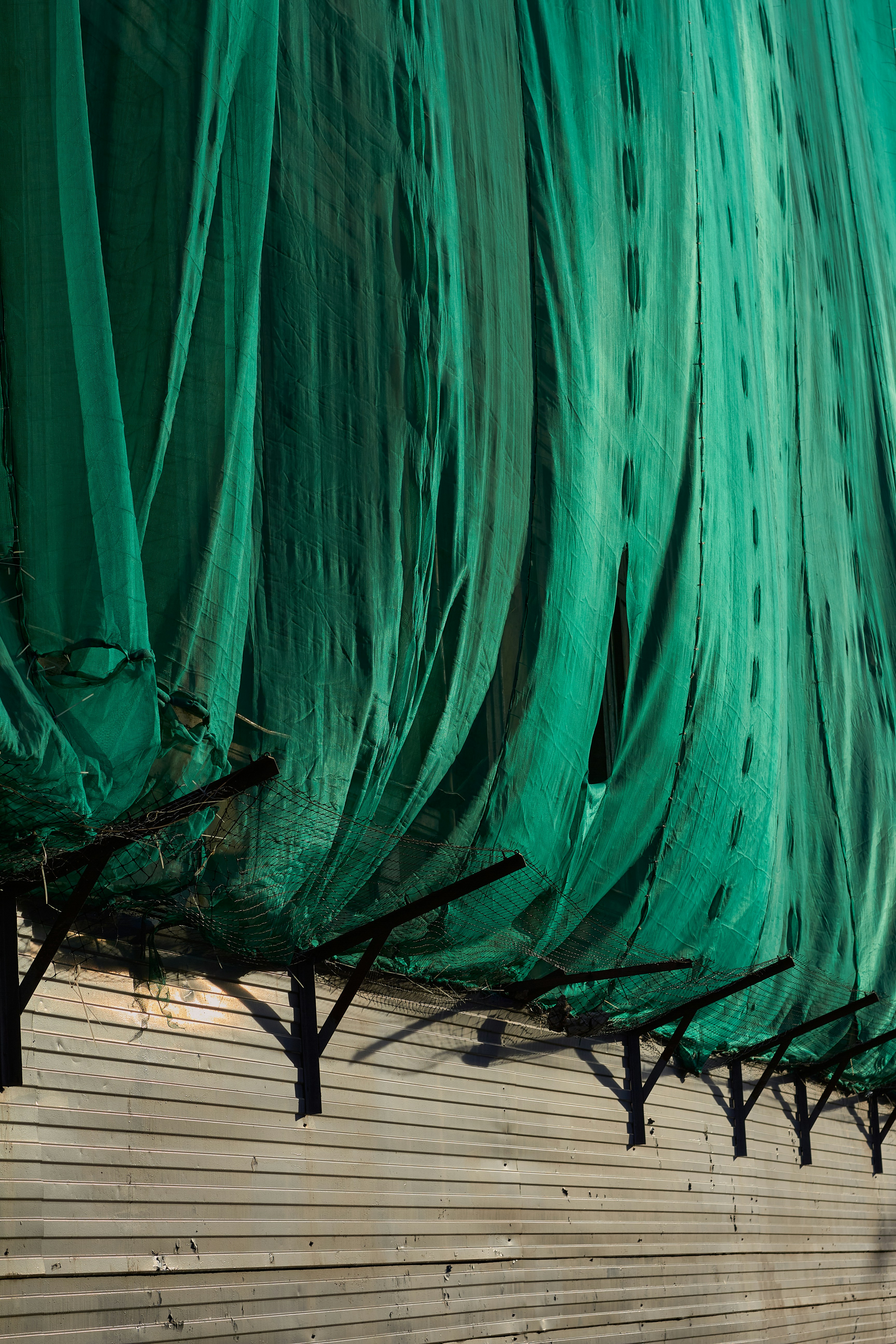
Bird netting is a protective measure designed to prevent birds from accessing specific areas where they may cause damage or disruption. This physical barrier serves multiple purposes, primarily targeting unwanted avian visitors in settings such as gardens, balconies, agricultural fields, and commercial buildings. The installation of bird netting not only helps in safeguarding crops from the destructive pecking and feeding habits of birds but also assists property owners in maintaining cleanliness and reducing potential health hazards associated with bird droppings.
Utilizing bird netting has become increasingly essential in urban and rural areas alike. For instance, homeowners with gardens often find themselves battling feathered intruders that feast on fruits and vegetables. By employing a bird net, these individuals can protect their yields while promoting a healthier gardening environment. Balconies are another common location for bird netting, as they provide outdoor leisure spaces that can become unhygienic and unattractive due to bird infestation.
Furthermore, in agricultural settings, where the impact on crop yield is significant, bird netting is invaluable. Farmers often face challenges from various bird species that can deplete their harvest, leading to financial loss. Implementing bird netting not only aids in maintaining crop integrity but also serves an ecological function by reducing the need for chemical deterrents that harm the environment.
In summary, bird netting serves as a versatile solution to many avian-related issues across diverse environments. Its effective design and multiple applications attest to the need for such protective measures as a means of maintaining both personal and commercial properties. By investing in bird netting, property owners can mitigate risks and promote a more sustainable coexistence with wildlife.
Types of Bird Netting
Bird netting is an essential barrier designed to prevent unwanted avian visitors from invading certain areas. There are several types of bird netting available, each with unique properties, durability, and effectiveness for specific applications.
Polyethylene Netting: This is one of the most common types of bird netting due to its lightweight nature and affordability. Polyethylene netting is resistant to UV rays and harsh weather conditions, making it suitable for long-term outdoor use. It is often available in various mesh sizes, which dictate the type of birds it can effectively trap. Generally, smaller mesh sizes provide greater protection against smaller birds, while larger sizes might suffice for larger species. Ideal applications for polyethylene netting include gardens, orchards, and poultry enclosures.
Nylon Netting: Though generally more expensive than its polyethylene counterpart, nylon netting offers enhanced strength and durability. It is less prone to tearing and can withstand harsher environmental conditions, making it suitable for areas where structural integrity is vital. Nylon bird netting is also resistant to chemicals, UV rays, and moisture, ensuring a longer lifespan. This type of netting works well in high-wind areas or settings where it may be subjected to physical stress, like rooftops or warehouses.
Wire Mesh Netting: Unlike nylon and polyethylene, wire mesh bird netting consists of a sturdy framework typically made from steel or aluminum. This type of netting provides a robust physical barrier against larger birds and potential wildlife threats. Wire mesh is ideal for use in commercial settings, such as agricultural fields, and can also be used in urban environments to protect balconies or outdoor spaces from bird excrement and nesting. Its durability makes it a long-term solution, though installation may be more complex.
Ultimately, the choice of bird netting will depend on specific needs such as the type of birds to be excluded, location, budget, and the expected longevity of the installation.
Tools and Materials Needed for Installation
When embarking on a bird netting installation project, it is crucial to equip yourself with the appropriate tools and materials. This preparation ensures a smooth and effective setup, providing optimal protection against unwanted avian visitors. Here is a comprehensive list of what you will need.
First and foremost, selecting the right type of bird netting is essential. Options include polyethylene and nylon netting, which differ in durability and UV resistance. The choice largely depends on the specific application and desired longevity. Bird netting typically comes in various mesh sizes, allowing one to choose based on the species of birds you intend to deter.
Next, the essential hardware includes anchors and fasteners. Metal or plastic anchors will be necessary to secure the netting in place. Additionally, using zip ties or cable ties is advisable for a strong connection. These fasteners will help you achieve a firm, well-stretched installation that can withstand outdoor conditions.
Installing bird netting will also require a good set of tools. A measuring tape is vital for accurate sizing, as is a utility knife or scissors, which will be used to trim the netting to fit your designated area. You may also want to invest in a staple gun for securing edges against wooden structures and a ladder if the installation requires height adjustments.
In conclusion, gathering the right tools and materials is a fundamental step in the bird netting installation process. By ensuring you have quality netting, appropriate anchors, fasteners, and necessary tools, you will be well-prepared to protect your space from unwanted birds effectively. Taking the time to gather these essentials will greatly enhance your chances of a successful installation.
Preparing the Area for Installation
Before embarking on the bird netting installation process, it is imperative to adequately prepare the area to ensure a successful outcome. First and foremost, proper measurement of the installation space is a crucial step. Accurately measuring the dimensions allows for precise cuts and a better fit, reducing waste and installation time. Utilize a measuring tape to determine the width and height of the area where the bird netting will be installed, and make note of various structures or elements that may impede the installation, such as beams or existing fixtures.
Next, cleaning the installation surface is essential. A clean surface free from debris, dirt, or remnants of previous installations ensures better adhesion of the netting and promotes its longevity. Utilize a broom or vacuum to remove any loose particles and inspect the area for any sharp objects or protruding elements that could damage the bird netting over time. If the installation site is outdoors, check for any signs of pests or animals that may require additional deterrents.
Another important consideration is ensuring that the area is bird-friendly yet secure. It is advisable to create a balanced environment where desired bird species can thrive while managing unwanted visitors. One way to accomplish this is to ensure that bird feeders and baths are positioned strategically, so they attract only intended species and not pests. Consulting local birding guides can provide insights into what species are prevalent in your area, allowing for informed decisions about the installation location.
Finally, it is recommended to gather all necessary tools and materials before starting the installation. Common tools include a staple gun, scissors, and a ladder, which will enhance efficiency during the process. Preparing the area correctly sets the foundation for effective bird netting installation, ensuring that your space remains protected from unwelcome avian visitors.
Step-by-Step Installation Guide
Installing bird netting is an effective way to safeguard your outdoor spaces from unwanted avian visitors. This guide outlines a thorough installation process, ensuring that you achieve the desired protection. Begin by assessing the area you want to cover, measuring its dimensions carefully. This will help in determining the amount of bird netting required for your project.
Next, set up a sturdy framework. This can be done using PVC pipes or metal poles, creating a supportive structure around the area to which you plan to attach the netting. Ensure the framework is well-secured in the ground, providing a solid base to withstand outdoor elements and the force of any wind. Once the framework is in place, cut the bird netting to size, allowing for a bit of overlap at the edges. This will help to secure the netting effectively.
To attach the netting to the framework, use zip ties, clips, or other fasteners, ensuring that it is taut without being overly stretched. Adequate tension is necessary to keep the netting secure and to prevent sagging, which could create entry points for birds. Be mindful of the need to maintain even distribution of tension across the surface of the netting to ensure its effectiveness.
After securing the netting, conduct a thorough inspection for gaps that could permit birds to enter. Pay special attention to areas near edges, corners, and any points of intersection where the netting meets the framework. It may also be helpful to take a step back and visually assess the installation to ensure no areas have been overlooked. If gaps are detected, reinforce these sections by additional fastening or patching methods.
As you complete the installation, consider using visual aids such as diagrams or images for reference, which can simplify understanding of the steps involved. Also, maintain a list of troubleshooting tips for common installation issues, such as sagging netting or securing it in extreme weather. Reassessing your installation periodically will ensure continued efficacy in keeping unwanted birds at bay.
Maintenance and Care of Bird Netting
Proper maintenance of bird netting is essential to ensure its longevity and effectiveness in keeping unwanted avian visitors at bay. Regular inspections should be a fundamental part of your maintenance routine. At least once a month, visually inspect the netting for any signs of wear, tears, or holes, especially after severe weather events, such as heavy winds or storms, which might cause damage. If any issues are detected, it is crucial to address them promptly to prevent birds from exploiting these vulnerabilities.
Cleaning the bird netting periodically is also vital to maintain its integrity. Debris such as leaves, twigs, and dirt can accumulate on the netting and can detract from its functionality. A gentle wash with mild soap and water is often sufficient to remove any buildup. Avoid using harsh chemicals that could degrade the material over time. For more substantial soiling, a soft brush may be helpful, but care should be taken not to dislodge or damage the netting itself.
Seasonal adjustments play an important role in the care of bird netting as well. During winter months, check for ice and snow accumulation that may place additional stress on the netting. In regions prone to extreme weather, you may want to consider temporary removal of the netting during the off-season to prevent weather-related damage. Conversely, in spring and summer months, ensure that the tension of the netting remains adequate to withstand the seasonal changes. Properly securing the installation in preparation for seasonal shifts can prevent sagging and maintain a tight barrier against birds.
In summary, ongoing maintenance of bird netting is imperative for maximizing its lifespan and effectiveness. Regular inspections, cleaning, and seasonal adjustments will help to preserve the netting’s condition, ensuring it continues to fulfill its purpose of safeguarding your space from unwanted avian visitors.
Legal and Ethical Considerations
When it comes to installing bird netting, it is imperative to understand both the legal and ethical considerations involved. Different regions have varying laws that protect wildlife, and these regulations can greatly influence how bird netting should be applied. Before installation, it is advisable to consult local wildlife protection laws to ensure that you are compliant. In many areas, certain bird species are protected, and any actions that might harm or disturb these birds can lead to substantial fines or legal repercussions.
Moreover, ethical considerations also come into play in the context of bird netting installation. Ethically, the treatment of birds should reflect a commitment to humane practices. The primary goal of bird netting is to deter unwanted avian visitors without harming them. Thus, attention must be paid to the selection of materials that minimize the risk of injury. For instance, using soft, durable netting that is properly tensioned can significantly reduce the potential for entanglement.
Additionally, it is crucial to consider the timing of installation to avoid interference with nesting and breeding seasons. Installing netting during these periods can inadvertently disrupt local bird populations, which may lead to broader ecological consequences. To promote responsible practices, many organizations advocate for conducting installations outside of these critical periods, ensuring that birds can carry out their natural lifecycle without undue pressure.
In conclusion, those considering bird netting as a deterrent must carefully navigate local regulations and prioritize the humane treatment of wildlife. By taking these legal and ethical factors into account, it is possible to achieve effective bird management while fostering respect for nature and its inhabitants.
Common Mistakes to Avoid
When embarking on the installation of bird netting, many homeowners and businesses encounter various pitfalls that can compromise the effectiveness of their efforts. One of the most significant errors is improper measurement. Accurate measurement of the area to be covered is crucial; if not done correctly, it can lead to either insufficient coverage or excess netting that may hamper the netting’s purpose. Ensure that you measure the length and width of the space, accounting for any protrusions or unusual angles that could affect the installation.
Another common mistake is inadequate tensioning of the netting after installation. Bird netting must be secured tightly to prevent birds from squeezing through gaps or becoming entangled. Failing to achieve appropriate tension can lead to sagging, which diminishes the netting’s protective capabilities. It is advisable to perform a few tests post-installation to confirm that the netting remains taut and correctly positioned during varying weather conditions.
Additionally, many individuals neglect the importance of ongoing maintenance. Even the most robust bird netting systems require regular inspections to ensure they remain intact and effective. Over time, environmental factors such as storms, UV exposure, and wear can affect the integrity of the netting. Scheduling routine checks allows for timely repairs and adjustments, reducing the likelihood of avian visitors breaching the barrier.
Ultimately, avoiding these common mistakes—incorrect measurement, insufficient tensioning, and lack of maintenance—can significantly enhance the success of your bird netting installation. By paying attention to these details, you can effectively protect your space from unwanted avian visitors.
Conclusion and Final Thoughts
Throughout this guide, we have explored the essential aspects of bird netting installation, emphasizing its significance in effectively managing and controlling unwanted avian visitors. Bird netting offers a sustainable solution that not only protects your property but also supports environmental conservation by allowing you to deter birds without causing them harm. Proper installation is crucial; therefore, it is important to consider the type of netting, suitable materials, and the correct fitting techniques to ensure long-lasting results.
Moreover, understanding the different bird species that may invade your space can aid in selecting the right kind of netting and installation strategy tailored to your needs. Regular maintenance and inspections of the installed netting contribute to its effectiveness, as wear and tear can compromise the barrier’s ability to protect your premises. By employing these methods, you can significantly reduce the likelihood of infestations, safeguarding your environment from potential damage.
We encourage you, as a proactive step, to assess your property and consider the integration of bird netting as a part of your long-term solution for bird control. Should you need further assistance, numerous resources and professional services are available to guide you through the process, ensuring that you choose the right materials and techniques suited for your specific situation. Investing in high-quality bird netting not only enhances your space’s aesthetics but also provides peace of mind knowing that your surroundings are protected. Take the initiative today and secure your space from unwanted avian visitors effectively.