
Introduction to Bird Netting
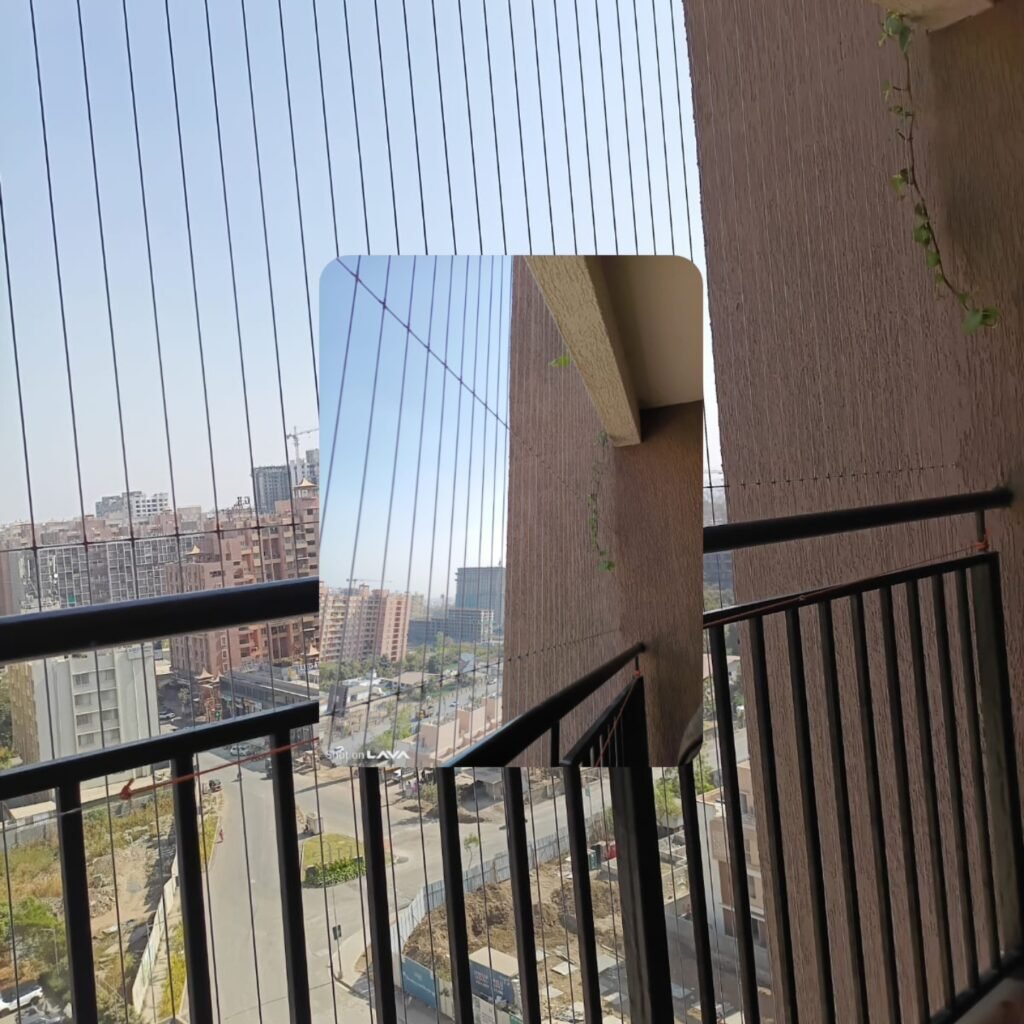
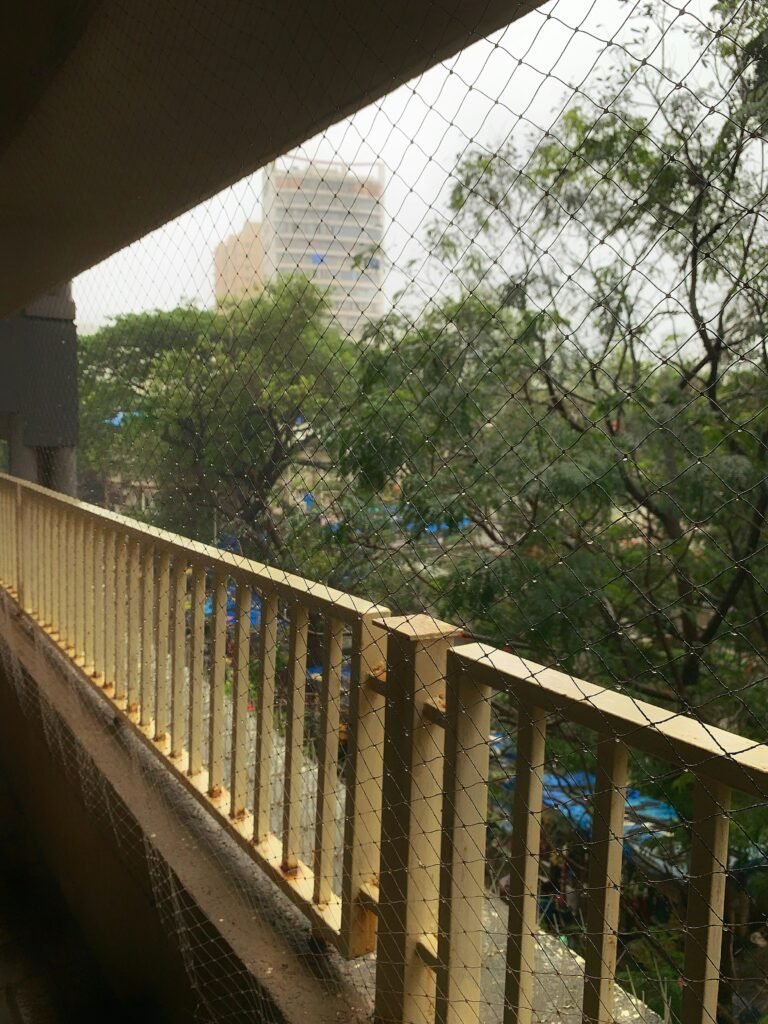
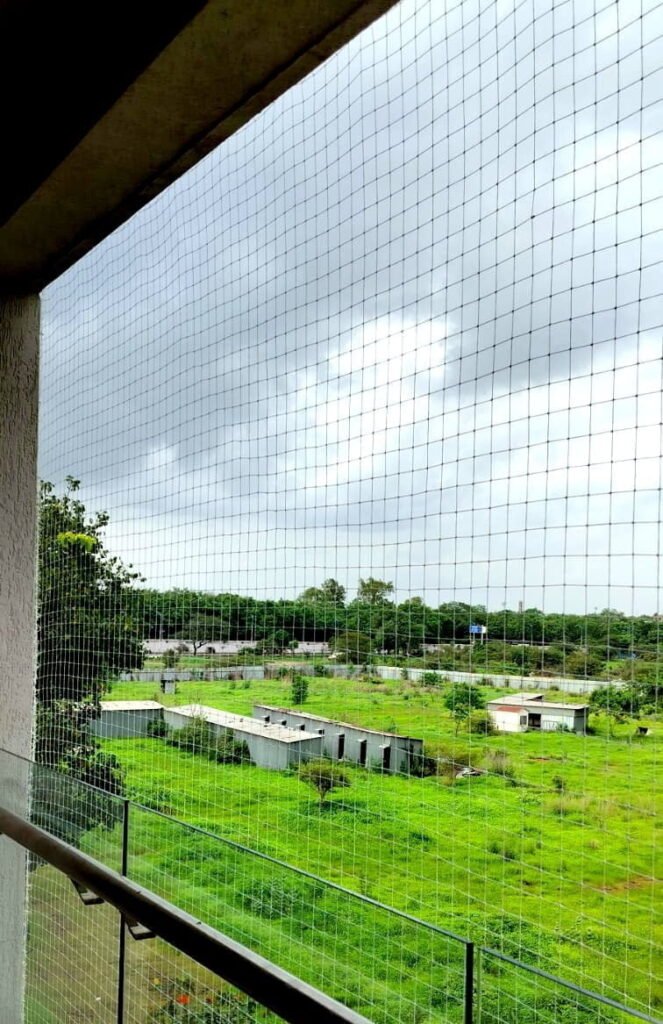
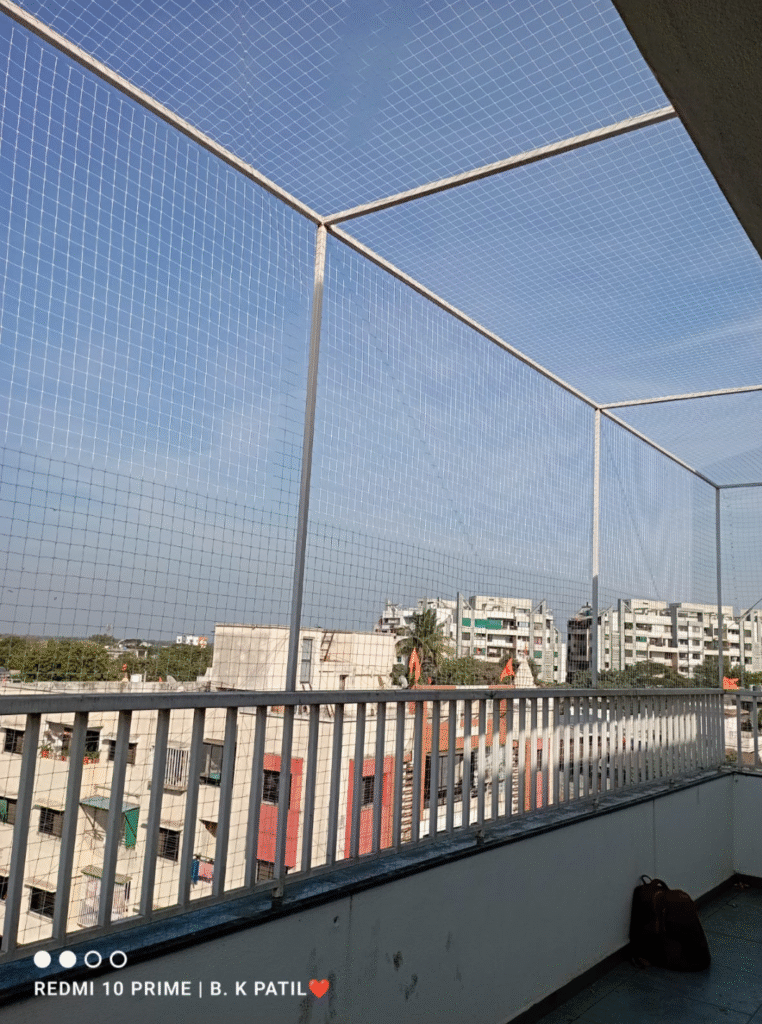
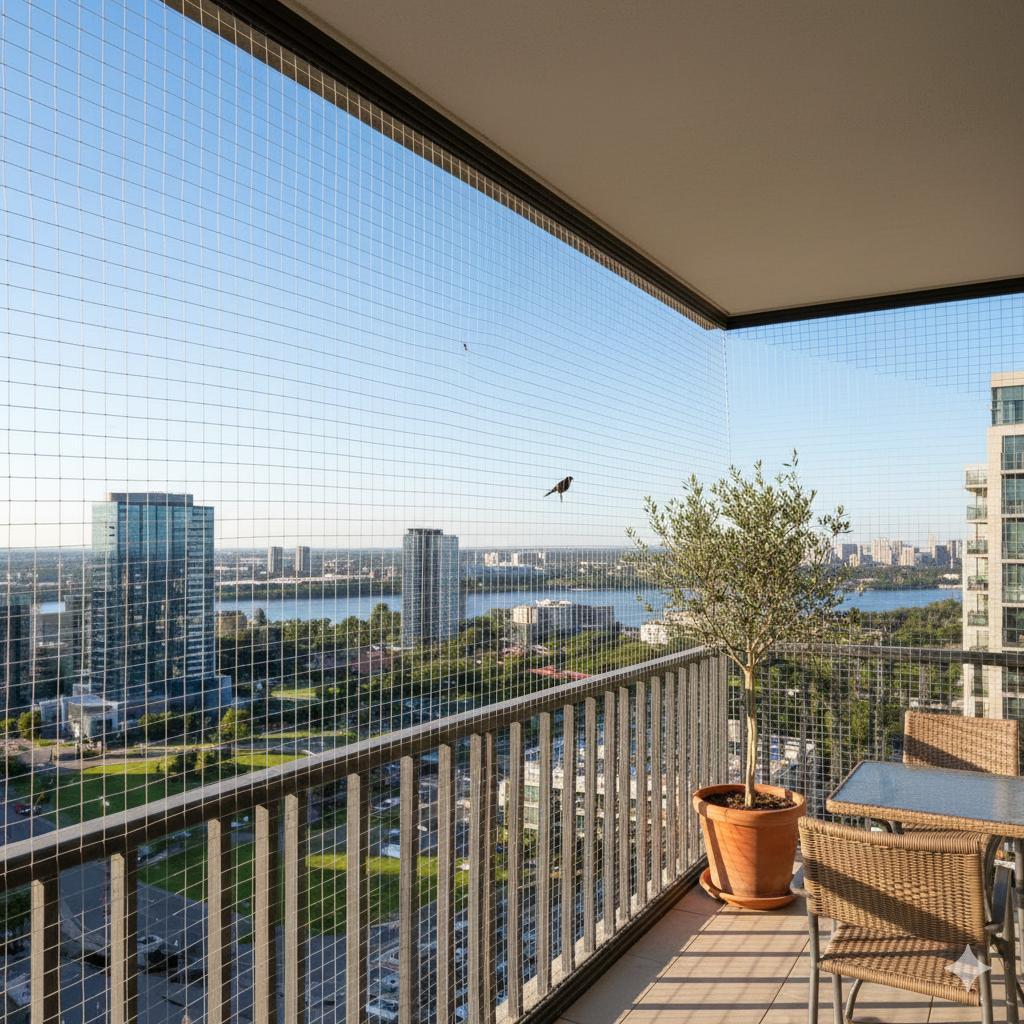
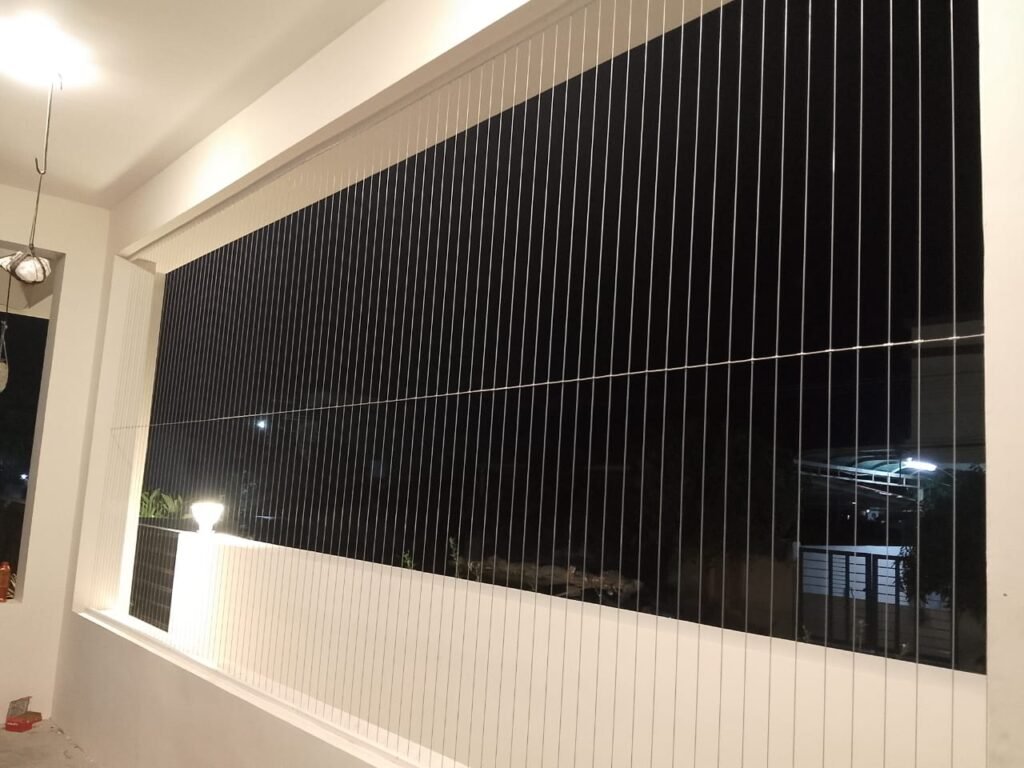
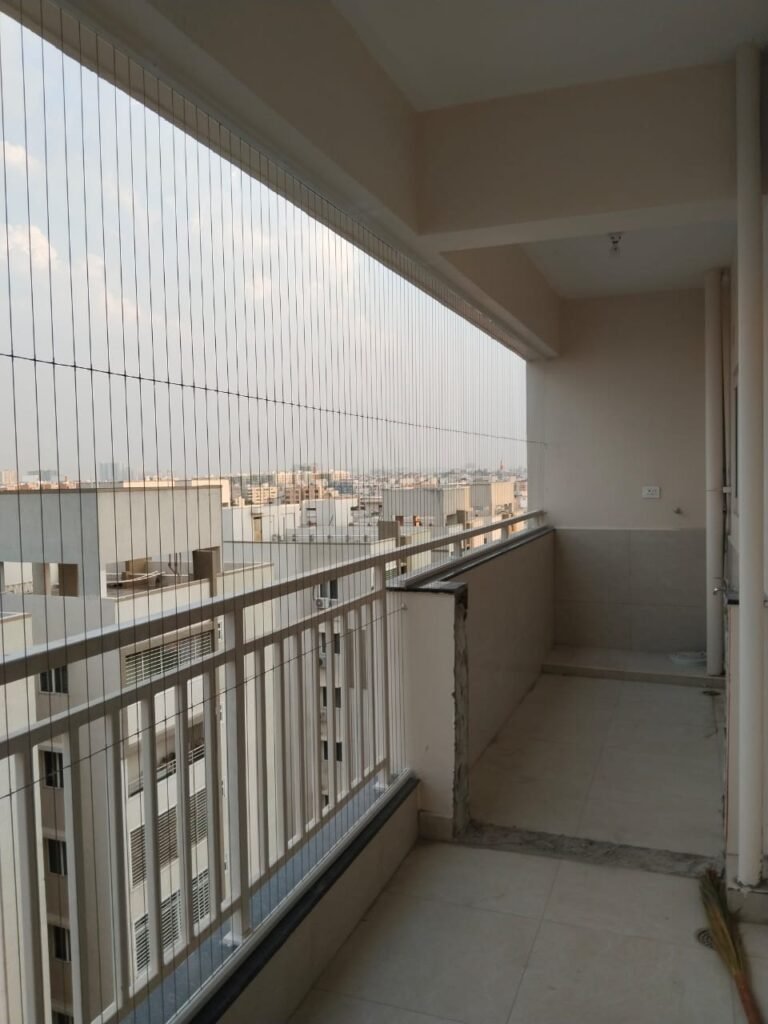
Bird netting is a widely recognized method used to deter birds from specific areas, particularly in environments where their presence can cause significant damage. It consists of a mesh material that is designed to prevent birds from entering defined spaces, effectively safeguarding gardens, balconies, and agricultural fields. The primary function of bird netting is to provide an unobtrusive barrier that allows for natural light and air circulation while keeping birds at bay.
The effectiveness of bird netting lies in its ability to create a physical obstruction that is difficult for birds to penetrate. This approach contrasts with other bird deterrents, such as auditory devices or chemical repellents, which may offer temporary relief but often have limited long-term success. By employing bird netting, property owners can achieve a more permanent solution, thereby preserving their plants, crops, or living spaces from potential avian disturbances.
There are several key reasons for the adoption of bird netting in various settings. For homeowners, using bird netting around gardens can prevent the destruction of fruits and vegetables, while those with balconies may wish to keep birds from nesting or roosting. Additionally, agricultural fields benefit from bird netting, which helps in protecting valuable crops from pest birds that may adversely affect yield and quality. The installation of bird netting also ensures that non-target wildlife is not harmed, maintaining ecological balance.
Moreover, bird netting is generally easy to install, requires minimal maintenance, and is available in various sizes and mesh styles, making it adaptable for different applications. Its light-weight nature allows for straightforward handling, ensuring that most individuals can implement it effectively, regardless of prior experience. In conclusion, bird netting stands out as a practical solution for managing bird-related issues while providing various eco-friendly benefits.
Materials Needed for Bird Netting Installation
When preparing for bird netting installation, selecting the appropriate materials is vital to ensure effective and long-lasting results. The most fundamental component is the bird netting itself. There are several types of bird netting available, each suited to different environments and specific requirements. Common options include polyethylene and nylon nets, which provide durable and dependable barriers against various bird species. The size and mesh of the netting must align with the intended use and the dimensions of the area being covered, whether it be a garden, patio, or agricultural site.
In addition to netting, support structures are essential for proper installation. Using poles made from durable materials, such as metal or pressure-treated wood, ensures that the netting remains taut and effective. The height and spacing of these support structures are determined by the area configuration and the type of birds you are trying to deter. For expansive areas, it may be necessary to employ additional supports, such as tension wires or cross supports.
Fasteners and anchoring materials are another crucial aspect. Options may include cable ties, clips, or specialized netting fasteners. These fastening elements should be corrosion-resistant to withstand outdoor conditions, ensuring that the netting remains securely in place over time. Also, selecting the right anchors is important, especially in areas prone to wind or heavy rains.
Lastly, the installation process demands safety equipment such as gloves, helmets, and harnesses, particularly when working at elevations or in challenging conditions. Ensuring safety should be a priority to prevent accidents during installation. In selecting materials, consider the specific site conditions, environmental factors, and intended duration of use to achieve the best results in bird netting installation.
Assessing the Area for Installation
When considering the installation of bird netting, effectively assessing the area is crucial for ensuring its success. The first step is to determine the size of the space you intend to cover. This measurement will help in selecting the appropriate netting material and the dimensions needed for proper installation. Take note of both width and height, as bird netting must extend adequately to prevent any access points that birds might exploit.
Next, it is essential to evaluate the height of the area where the bird netting will be installed. This could range from a low garden area to high rooftops or overhangs. In high installations, ensure you have the necessary tools and ladders to safely reach the intended height. It is also advisable to check for any obstructions, like branches, that might interfere with the netting’s effectiveness or installation.
Another important factor to consider is the potential access points for birds. Observe the vicinity for common perches, nesting areas, or feeding spots. Knowing these will assist in understanding the types of birds that may be present and the frequency of their visits. Areas near trees, water, or food sources are often more susceptible to bird intrusions, warranting the need for strong, durable netting.
Accurately measuring the installation area is paramount. Use a durable measuring tape to record exact dimensions, and if the space has an unusual shape, consider creating a simple diagram. This visual aid will not only serve as a reference during installation but also help in ordering the right amount of netting without excess waste. By thoroughly assessing the area and considering the aforementioned factors, you can ensure a successful bird netting installation that meets your specific needs.
Step-by-Step Guide to Installing Bird Netting
Installing bird netting effectively requires careful planning and execution to ensure that it serves its purpose of preventing birds from entering unwanted areas. This step-by-step guide provides detailed instructions to assist in the proper installation of bird netting.
First and foremost, prepare the installation site. Begin by identifying all potential entry points that birds may exploit. This includes examining areas such as eaves, balconies, and openings in buildings. Once you have noted these points, the next step is to clean the area thoroughly, as dirt and debris can interfere with secure installation.
The next critical step involves choosing the appropriate type of bird netting tailored to your specific application. Bird netting comes in various materials and mesh sizes, and selecting the right one is essential for effective protection and durability. After acquiring the netting, measure the dimensions of the area you wish to cover, ensuring that you order enough netting to accommodate overlaps and secure fastenings.
Once the netting is on hand, proceed to secure it properly. Using a combination of anchors, such as screws or zip ties, attach the netting to structural elements around the identified entry points. It is advisable to leave no gaps larger than the mesh size to prevent birds from squeezing through. Be sure to pull the netting taut yet allow for some flexibility in windy conditions.
Lastly, regularly inspect the installation to ensure its integrity and effectiveness. Over time, wear and tear can occur due to environmental factors, so routine maintenance checks are necessary. If any tears or points of vulnerability are discovered, repair them quickly to maintain a bird-free environment.
Common Mistakes to Avoid During Installation
When installing bird netting, several common mistakes can undermine the effectiveness of the protective barrier. Awareness of these pitfalls is crucial for ensuring a successful installation that keeps unwanted birds at bay.
One prevalent error is the inadequate securing of the net. It is vital to ensure that the bird net is tightly secured at all access points. Loose netting can sag, allowing birds to exploit gaps that may form. Therefore, it is imperative to use appropriate anchors and fasteners to ensure that the net remains taut and effective throughout its use. Regular inspections should be scheduled to ascertain that the netting maintains its tension and integrity.
Another frequent mistake involves incorrect measurements when cutting and placing the net. Taking precise measurements is essential before installation. If the dimensions are inaccurate, it may lead to insufficient coverage or excess material, which can complicate the installation process. Always consider the dimensions of the area you are attempting to protect, and account for any potential obstructions that may interfere with the net’s positioning.
Additionally, many installers overlook potential gaps where birds might still gain access. It is crucial to thoroughly inspect the installation area. Look for openings around windows, vents, and other structures where the net may not completely seal off entry points. Even small gaps can provide an invitation for birds to enter, negating the purpose of your netting efforts.
In conclusion, by avoiding these common installation mistakes—such as inadequate securing, incorrect measurements, and failing to close all gaps—individuals can achieve a more effective bird netting installation. This will help to ensure a successful barrier against unwanted avian intruders, safeguarding properties from potential damage and disruption.
Maintenance Tips for Bird Netting
After the installation of bird netting, regular maintenance is crucial to ensure it remains effective in keeping unwanted birds away from your garden, crops, or buildings. The first step is to conduct routine inspections of the netting. It is advisable to check for any signs of wear and tear, such as holes, frayed edges, or sagging sections. These issues can compromise the netting’s functionality, making it easier for birds to access the area it was intended to protect.
Perform these checks at least once a month, or more frequently if you live in an area with harsh weather conditions. During your inspections, be vigilant for any debris that may accumulate on or around the netting. Leaves, branches, and dirt can impede the netting’s effectiveness and lead to unnecessary stress on the material. Removing these obstructions promptly will help maintain its position and ensure it continues to serve its purpose effectively.
Cleaning the bird netting is another essential maintenance step. This process should ideally occur at least twice a year. Use a gentle solution of water and mild soap to wash the netting. Avoid abrasive cleaners or harsh chemicals, as they may damage the material. A soft brush can help remove stubborn dirt or bird droppings. Rinse the netting thoroughly with water after cleaning, allowing it to dry completely before reinstallation, if removed.
Ultimately, proactive maintenance of bird netting is key to its longevity and effectiveness. By routinely checking for damage and cleaning it regularly, you will help ensure that the netting provides optimal protection against birds for the long term.
Alternative Solutions and When to Consider Them
Although bird netting is widely regarded as an effective method for preventing birds from nesting or roosting in unwanted areas, there are several alternative solutions available that may suit different situations. Understanding these alternatives, alongside their pros and cons, will help property owners make more informed decisions regarding pest management for birds.
One popular alternative is the use of bird spikes. Bird spikes are physical deterrents that prevent birds from landing on ledges, roofs, and other surfaces. Their effective design allows for a humane way to keep birds at bay without harming them. However, while bird spikes are long-lasting and low maintenance, they may require professional installation and can be less effective against larger bird species that may find ways to perch despite their presence.
Another method to consider is sound deterrents. These devices emit noises that simulate the presence of predators or unpleasant sounds for birds. Sound deterrents can be effective in dissuading birds from specific areas. Yet, they often face limitations, such as the potential for birds to adapt to these sounds over time, reducing their overall effectiveness. Additionally, sound devices may disturb neighboring properties, leading to complaints from residents.
Visual deterrents, such as reflective tape, predator decoys, or even simple balloons, represent another alternative to bird netting. These options play on the natural instincts of birds, creating an environment that feels unsafe. However, visual scares can lose their effectiveness quickly as birds become accustomed to their presence, requiring frequent repositioning or updates on the deterrents to maintain efficiency.
In summary, while bird netting remains one of the most reliable methods for managing bird-related issues, each alternative—bird spikes, sound deterrents, and visual scares—has its own merits and drawbacks. Evaluating the specific circumstances, environmental factors, and types of birds involved will help determine the best approach for minimizing bird impacts effectively.
The Environmental Impact of Bird Netting
Bird netting serves as an effective tool for protecting crops, buildings, and other areas from bird damage. However, its use raises important ecological considerations that merit careful examination. One of the significant concerns is the potential impact on non-target species. These can include not only smaller birds that may become entangled in the netting but also mammals, reptiles, and insects that interact with the environment where the netting is installed. It is essential for individuals and organizations to consider both the intended and unintended consequences of bird netting on the local ecosystem.
To minimize harm, selecting the right type of bird netting is crucial. Opting for netting with a larger mesh size can reduce the risk of catching non-target species while still being effective against larger birds. Additionally, materials that are more visible to wildlife, such as brightly colored or reflective netting, can help avoid accidental entanglement. Implementing a humane approach to bird control means prioritizing the well-being of all species, thus ensuring that the local ecology is respected and preserved.
Ethical considerations also play a vital role when deciding on bird netting. Organizations and individuals alike bear the responsibility to adopt practices that not only meet human needs but also safeguard the balance of nature. The decision to use netting should be accompanied by a thorough understanding of the local wildlife and habitats. This proactive approach entails researching and considering alternatives to netting when feasible, such as habitat modifications or utilizing sound deterrents, which can effectively reduce bird interference without the hidden costs of entrapment.
Conclusion and Final Thoughts
In summary, bird netting serves as a highly effective solution for controlling avian nuisances while protecting property and crops. Throughout this guide, we have highlighted the essential aspects of bird netting installation, including selection, installation processes, and maintenance practices. These steps ensure that bird netting offers maximum benefits, such as preventing damage caused by birds and providing a safer environment for both humans and wildlife.
The benefits of bird netting installation are manifold. Not only does it deter birds from nesting and roosting in undesired areas, but it also enhances overall aesthetics and productivity by safeguarding gardens and agricultural operations. Proper installation remains critical; it is crucial to accurately measure the site, select the appropriate netting material, and ensure secure attachment to prevent gaps that birds might exploit.
Maintenance is another aspect that significantly influences the effectiveness of bird netting. Regular inspections for wear and tear as well as prompt repairs can extend the life of the netting and maintain its effectiveness over time. If you have installed bird netting or are considering it for your property, we encourage you to reflect on your experiences. Sharing insights or asking questions can provide valuable information for other readers facing similar bird control issues.
Ultimately, successful bird control through netting will depend on your diligence in the installation and ongoing maintenance processes. We hope that this guide encourages you to take the necessary steps to implement bird netting effectively, leading to a bird-free environment conducive to your needs.
Introduction to Pigeon Netting
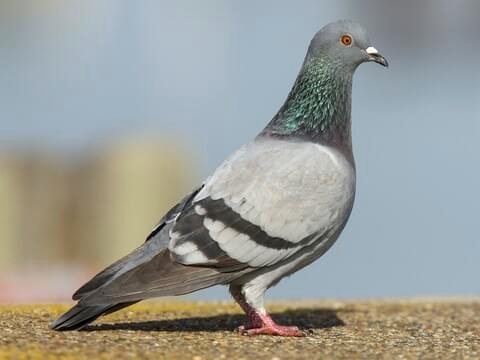
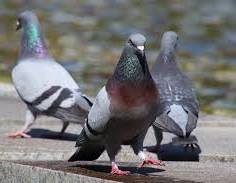
Pigeon netting is a crucial method employed in urban bird control strategies, primarily aimed at managing the problems associated with high pigeon populations in city environments. These birds can present significant issues, ranging from property damage to health risks due to the droppings they produce. Pigeon netting acts as a physical barrier that effectively prevents these birds from roosting or nesting in unwanted areas, thereby alleviating many of the challenges they pose.
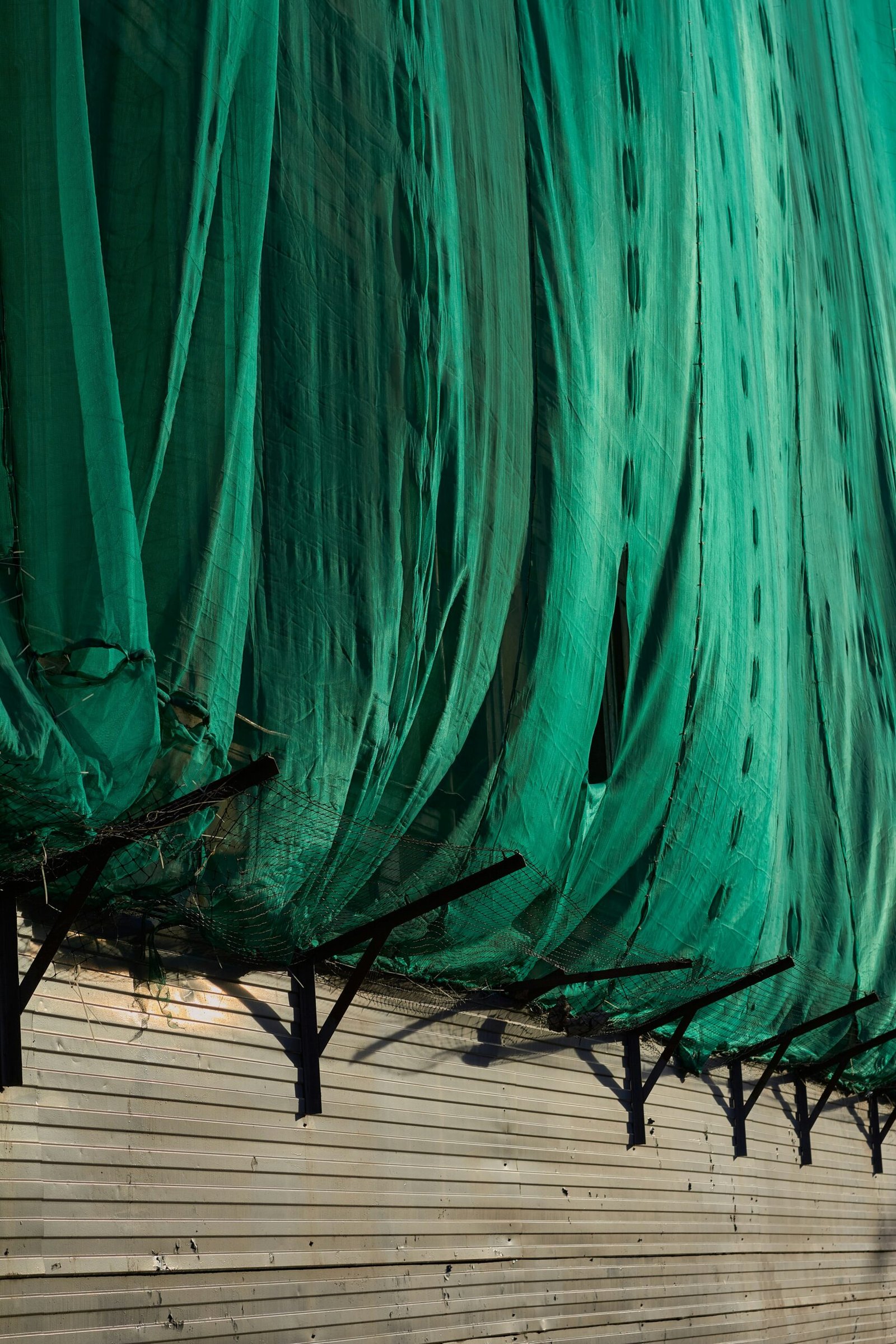
The mechanism behind pigeon netting is straightforward: a durable netting is installed in locations prone to pigeon activity, such as rooftops, balconies, and building ledges. The nets are made from strong materials that can withstand various weather conditions, ensuring long-term effectiveness. By creating a physical obstruction, pigeon netting discourages birds from accessing these areas, thereby reducing their presence significantly.
The necessity of implementing a pigeon netting system becomes evident when considering the adverse effects pigeons can have in urban settings. Pigeons are known to accumulate in large numbers, leading to unsightly droppings that can damage buildings and create hazards for pedestrians. Additionally, their droppings can harbor pathogens that pose health risks to humans. By employing pigeon netting, property owners can mitigate these risks and maintain a cleaner, safer environment.
In summary, pigeon netting serves as an effective solution for bird control within urban landscapes. Through its implementation, communities can address the challenges posed by pigeon populations while preserving the structural integrity and cleanliness of their surroundings. By understanding the benefits and functionality of pigeon netting, stakeholders can make informed decisions about managing the issues associated with these birds.
Understanding the Need for Pigeon Control
The presence of pigeons in urban environments poses several challenges that necessitate effective pigeon control measures. These birds, while often viewed as harmless, can lead to significant health risks, property damage, and aesthetic concerns. Understanding the reasons behind the need for pigeon management is essential for maintaining both public health and the integrity of structures.
One of the primary health risks associated with pigeons is the transmission of diseases. Pigeons are known carriers of various pathogens that can affect human health. For instance, histoplasmosis, a respiratory disease caused by a fungus present in pigeon droppings, can cause severe illness, especially in immunocompromised individuals. Moreover, other diseases such as salmonella and psittacosis can be linked to pigeon infestations, making effective bird control measures essential for reducing health hazards in populated areas.
In addition to health concerns, pigeons can cause considerable damage to properties. Their droppings are not only unsightly but also corrosive, capable of damaging roofs, windows, and facades over time. A report from the Centre for Disease Control and Prevention highlights that pigeon droppings can lead to structural damage, escalating repair costs significantly. For businesses, particularly those in the hospitality and retail sectors, an abundant pigeon presence may tarnish their reputation, deter customers, and impact their bottom line.
Aesthetic concerns also play a vital role in the need for pigeon control. Cities often strive to maintain a clean and pleasant environment for both residents and tourists. The accumulation of pigeon droppings and the presence of nests can make public spaces appear unkempt. To preserve the visual appeal of these areas, effective management strategies such as pigeon netting and habitat modification become necessary.
In conclusion, controlling pigeon populations is imperative not only to protect public health but also to avoid property damage and enhance the aesthetic quality of urban environments. Implementing effective pigeon control strategies mitigates these challenges, ensuring safer and cleaner spaces for communities.
Types of Pigeon Netting Materials
Pigeon netting is an essential solution for bird control, particularly in urban areas where these birds can cause significant issues. The effectiveness of pigeon netting hinges largely on the materials used. Various materials offer distinct advantages and disadvantages, which can influence their suitability for particular environments.
Nylon netting is a popular choice due to its lightweight and durable properties. It is resistant to weathering and can withstand various environmental conditions, making it suitable for both indoor and outdoor applications. Nylon is particularly effective at preventing pigeons from roosting in unwanted areas, as it can be installed to create a physical barrier. However, it may have limitations in extreme temperatures or heavy wear areas, where alternative materials may prove more beneficial.
Polyethylene is another common material used in pigeon netting. It is known for its high tensile strength and UV resistance, which allows it to last longer when exposed to sunlight and adverse weather conditions. Polyethylene netting is often used in commercial settings, where large areas need to be secured against pigeon intrusion. Its flexibility makes installation easier and adaptable to various structures. Additionally, this material is typically more cost-effective, making it an attractive option for budget-conscious users.
Lastly, metal netting, such as stainless steel, provides a robust solution for environments where a more permanent and resilient barrier is necessary. Metal netting is highly durable, resistant to tearing and corrosion, and can be effective against even the most persistent pigeons. However, its weight and rigidity may complicate installation, making it better suited for specific structural applications where long-term bird control is needed.
Installation Process of Pigeon Netting
Installing pigeon netting is an effective solution for bird control, and it requires careful planning and execution to ensure safety and effectiveness. The first step in the installation process is to gather the necessary tools. Commonly required tools include a measuring tape, a utility knife, a staple gun, and mounting hardware suitable for the installation surface. Safety gear such as gloves and a hard hat is recommended, especially if working at heights or on uneven surfaces.
Once you have the tools, measure the area where the pigeon netting will be installed. Accurate measurements are essential for cutting the netting to the correct size. After measuring, cut the netting accordingly. If you are covering a larger area, consider using multiple pieces of netting that can be joined together securely.
Next, assess the mounting points where the netting will be anchored. Common anchoring points include walls, beams, or poles. Before attaching the netting, ensure that the surfaces are clean and free from any obstructions that could weaken the installation. Secure the netting by attaching it with hooks, ropes, or staples, depending on the installation method chosen.
During the installation process, common challenges such as uneven surfaces or adverse weather conditions can occur. To overcome these challenges, ensure that you have a helper to maintain the net taut while securing it in place. If weather conditions are unfavorable, consider postponing the installation to avoid damage to the net and ensure a proper installation.
Finally, after securing the netting, inspect the installation carefully to ensure there are no gaps that can allow pigeons to enter. This final check is crucial for the netting’s success in providing an effective barrier against pigeons and maintaining the integrity of the area.
Benefits of Using Pigeon Netting
Pigeon netting offers a multitude of advantages for both residential and commercial properties when it comes to managing bird populations. One of the most significant benefits is its role as a humane method of bird control. Unlike lethal methods, pigeon netting effectively deters birds from roosting or nesting in undesirable areas without causing them harm, thus promoting ethical wildlife management.
In addition to being humane, pigeon netting is recognized for its long-term effectiveness. Once installed correctly, the netting acts as a durable barrier that prevents pigeons from returning to treated areas. This long-lasting solution can significantly reduce the need for ongoing removal efforts, which can be both time-consuming and costly. Property owners can enjoy peace of mind knowing that their investment holds up against the persistent nature of these birds.
Moreover, the maintenance advantages associated with pigeon netting are noteworthy. The netting itself is designed to withstand the elements and requires minimal upkeep. Regular inspections may be necessary to ensure the integrity of the installation, but cleaning is usually straightforward; debris can often be easily removed without the need for specialized tools. This ease of maintenance can be especially beneficial for buildings with difficult access points.
Finally, pigeon netting serves as a protective measure that preserves the aesthetic of buildings. Unlike unsightly repellents or spikes that can detract from a property’s appearance, netting can be integrated seamlessly into the architecture. The discreet design of high-quality pigeon netting respects the visual integrity of buildings while efficiently keeping unwanted birds at bay. Overall, the combination of humane control, long-term benefits, maintenance ease, and aesthetic preservation makes pigeon netting an effective solution for bird control.
Alternatives to Pigeon Netting
Pigeon netting is a widely recognized solution for controlled bird management, but there are various alternatives that can also be employed effectively. Among the most common alternatives are spikes, repellents, and traps. Each method possesses its own set of pros and cons, making it essential to assess which option best suits specific circumstances.
Pigeon spikes, for instance, can deter birds from landing on ledges, roofs, or other surfaces. They are usually made of plastic or metal, and their sharp points prevent pigeons from roosting comfortably. While they effectively discourage landing, their installation can be visually intrusive, and they may not work well in areas with heavy bird populations. Furthermore, spikes do not address nesting, which can still lead to significant issues.
Bird repellents, on the other hand, include various chemical and sound deterrents designed to make an area unwelcoming for pigeons. Sound devices emit noises that mimic predators, while chemical repellents create unpleasant scents. These solutions can deter pigeons temporarily; however, their long-term effectiveness may vary since pigeons can adapt to environmental changes. Moreover, care must be taken to ensure that repellent methods do not negatively affect other bird species or the surrounding environment.
Traps represent another viable alternative, utilizing bait to lure and capture pigeons. This method can be effective in controlling pigeon populations, particularly when used in conjunction with release or euthanasia strategies. However, trapping requires regular monitoring and assistance from professionals to ensure humane practices are maintained and legal regulations are observed. In conclusion, while pigeon netting remains a popular option for controlling these birds, spikes, repellents, and traps offer effective alternatives that may better align with specific needs and preferences.
Maintenance and Care for Pigeon Netting
Maintaining pigeon netting requires regular inspection, cleaning, and timely repairs to ensure its longevity and effectiveness as a bird control solution. It is essential to adopt a systematic approach to maintenance to prevent potential damage and to reinforce the deterrent against pigeons.
Initially, property owners should conduct periodic inspections of the netting, ideally every few months or after extreme weather conditions. During these checks, look for signs of wear and tear such as frayed edges, loose fittings, or tears caused by debris or birds attempting to breach the netting. Addressing these issues promptly is crucial, as small damages can escalate if left unattended.
Cleaning the pigeon netting is another vital aspect of maintenance. Over time, debris, dirt, and potential nesting materials can accumulate on the netting, diminishing its effectiveness and potentially leading to deterioration. Use a solution of mild soap and water to clean the netting, applying a soft brush or cloth to scrub away any stubborn residue. It is advisable to perform this cleaning annually, or more frequently, depending on the environmental conditions of the location.
In the event that repairs are necessary, it is essential to use compatible materials that match the original netting. For instance, if holes or tears have formed, consider patching them with patches made of the same type of netting. Ensure that any replacement parts are securely fastened to avoid further damage. Additionally, if structural components, such as the mounting brackets or anchors, are compromised, replace them to uphold the integrity of the overall installation.
By committing to regular inspections, thorough cleaning, and prompt repairs, property owners can maximize the lifespan and effectiveness of their pigeon netting, ensuring ongoing success in controlling pigeon populations.
Case Studies: Successful Pigeon Netting Applications
Pigeon netting has become an increasingly popular solution for bird control due to its effectiveness in preventing pigeons from nesting and roosting in unwanted areas. Several real-life case studies demonstrate the positive outcomes of implementing pigeon netting in diverse environments.
One notable case occurred at a historic building in downtown Chicago, where pigeon infestations posed not only aesthetic concerns but also structural risks due to droppings corroding the façade. To address this issue, the property management team implemented pigeon netting across the roof and upper ledges, effectively closing off access points. Over six months, aerial surveys indicated a dramatic drop in the pigeon population around the premises, leading to significant cleanliness improvements and decreased maintenance costs. Residents and local businesses alike reported satisfaction with the enhanced appearance of the building.
In another instance, a community park in San Francisco faced challenges with aggressive pigeon populations that were disrupting public activities. After collaboration with wildlife control experts, a comprehensive pigeon netting strategy was deployed over popular gathering areas and feeding spots. Testimonials from park-goers revealed a notable decrease in the perceived nuisance caused by pigeons. The city noted a shift in the ecosystem as beneficial birds returned to the area while pigeons could no longer nest unimpeded.
Furthermore, a restaurant in New York City experienced similar issues. Their outdoor dining area frequently attracted pigeons, impacting customer satisfaction. After installing pigeon netting around the dining space, the management reported a 90% reduction in pigeon visits, allowing patrons to enjoy their meals without disturbances. The restaurant’s management credited this intervention with improved reviews and increased customer retention.
These case studies showcase various successful applications of pigeon netting, highlighting its potential in effectively managing pigeon populations across different environments. Through tailored strategies and positive testimonials, it is evident that pigeon netting is a viable solution for controlling bird populations in urban settings.
Conclusion and Final Thoughts on Pigeon Netting
Pigeon netting has emerged as a highly effective solution for managing bird control, particularly in urban and populated areas where these birds can cause various problems. Throughout this guide, we have emphasized the multifaceted benefits of utilizing pigeon netting, including its efficacy in preventing pigeons from roosting in unwanted locations, safeguarding properties, and maintaining hygiene. This method is especially significant as it not only offers immediate relief from pigeon invasions but also serves as a long-term deterrent, ensuring that the same problems do not recur.
Moreover, the versatility of pigeon netting can accommodate various structures and environments, making it a suitable choice for both residential and commercial properties. By considering factors such as the type of netting material, installation methods, and proper maintenance, property owners can maximize the effectiveness of pigeon netting while minimizing any potential impact on the aesthetics of their buildings. As highlighted, proper installation is crucial to guarantee that the net serves its intended purpose, and engaging professionals can further enhance the durability and effectiveness of the netting solutions.
Ultimately, bird control through pigeon netting represents not just a practical approach to handling pigeon-related challenges but also promotes a cleaner and safer living environment. For those experiencing issues with pigeons or other nuisance birds, exploring pigeon netting options may very well provide a viable path towards effective management and prevention. As always, it’s advisable to assess one’s unique circumstances and consult with experts in the field to ensure that the chosen solution aligns with specific needs and environmental considerations.