
Introduction to Bird Netting
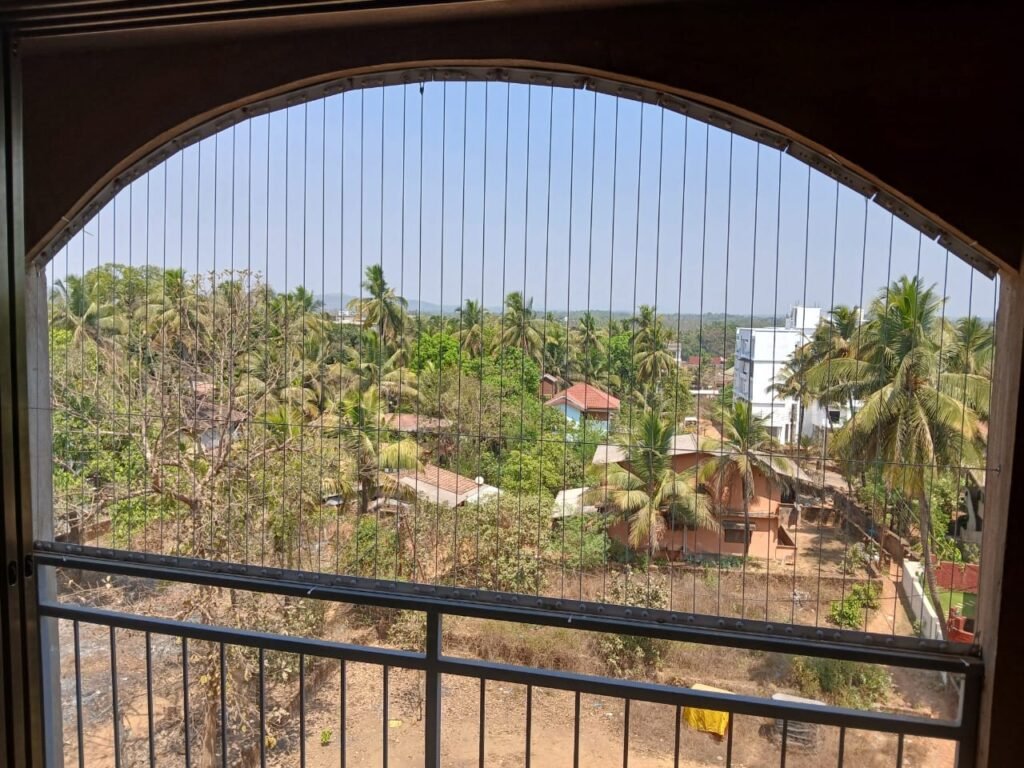
Bird netting is a practical solution designed to prevent birds from accessing certain areas, particularly balconies. With the increasing urbanization, many homeowners are faced with the challenges of bird infestations, which can lead to various nuisances. Common problems associated with birds include unsightly messes resulting from droppings, persistent noise that can disrupt daily living, and potential damage to property or belongings.
Birds, while a critical part of our ecosystem, can become a nuisance when they build nests or roost in undesirable locations. Infestations can lead to health risks due to the accumulation of droppings, which may harbor pathogens. Additionally, the buildup of feathers, nesting materials, and food waste can create unhygienic conditions. The noise from birds, especially during early mornings or nesting seasons, can disturb the peace typically sought after in urban living environments. Moreover, any damage they cause to furniture or structural elements can result in costly repairs and inconvenience.
Installing bird netting can effectively mitigate these issues by creating a barrier that prevents birds from entering balcony spaces. The benefits of using bird netting extend beyond merely keeping birds at bay. This solution is eco-friendly, allowing birds to continue their natural activities outside while ensuring a clean and noise-free living area for residents. Furthermore, netting is relatively easy to install, making it an accessible option for many homeowners. By taking a proactive approach with bird netting, individuals can protect their balconies from the various disturbances associated with bird infestations, enhancing both safety and comfort in their living spaces.
Choosing the Right Bird Netting
When selecting appropriate bird netting for your balcony, several factors should be considered to ensure effectiveness and aesthetic suitability. The first aspect is the material of the netting. Common options include polyethylene and nylon. Polyethylene netting is a popular choice due to its UV resistance and long lifespan, while nylon netting offers greater tensile strength and flexibility, making it advantageous for areas with challenging weather conditions.
The second crucial factor is the mesh size. Choosing the right mesh is vital to prevent birds from accessing your balcony while allowing for adequate airflow and light. A mesh size of 1 inch or smaller is typically recommended to exclude small birds such as sparrows and finches, while larger birds like pigeons may require a mesh size of 2 inches. It’s important to consider the common bird species in your area to select the most effective mesh size.
Durability is another key consideration. Bird netting should be able to withstand harsh environmental conditions such as wind, rain, and UV exposure. High-quality netting will exhibit higher resistance to wear and tear, offering a longer-lasting solution for bird control. Furthermore, consider the method of installation; some nets are designed to be more easily removed and reinstalled than others, which can influence your choice depending on your intended need for accessibility.
Aesthetics play a significant role as well. The netting should blend with your balcony’s design while being effective. Clear or black netting can be less visually intrusive than brightly colored options. It’s also prudent to think about how the netting’s appearance aligns with your home’s exterior. By thoroughly evaluating these factors—material, mesh size, durability, and aesthetics—you will be well-equipped to choose the right bird netting for your balcony, ultimately enhancing both its functionality and beauty.
Tools and Materials Needed for Installation
When embarking on the project of installing bird netting on your balcony, it is crucial to have the right tools and materials at hand. This will not only streamline the installation process but also ensure a reliable and secure setup. Below is a detailed list of necessary items.
First and foremost, the core material you will need is the bird netting itself. This should be selected based on the specific area of your balcony and the type of birds you intend to deter. Opt for high-quality, durable netting, which can withstand various weather conditions. Next, you will require screws and anchors to secure the netting firmly. Stainless steel screws are highly recommended due to their resistance to rust and corrosion.
Zip ties are another essential item that aids in attaching the bird netting to the railing or structure of your balcony. They are easy to use and come in various sizes; ensure to select those that can comfortably hold the weight of the netting. Additionally, having scissors or a utility knife will be necessary for cutting the netting to the required dimensions.
In terms of optional tools, a power drill can significantly simplify the task of installing screws, especially if dealing with tough materials. A ladder may also be beneficial if your balcony is elevated, allowing you to reach higher sections with ease. Some installers prefer using a measuring tape for precise measurements, ensuring that the bird netting fits appropriately without sagging.
Lastly, safety equipment such as gloves and goggles is recommended to protect yourself during the installation process. With these tools and materials on hand, you will be well-positioned to begin the installation of bird netting on your balcony effectively.
Step-by-Step Guide to Installing Bird Netting
Installing bird netting is a practical solution for keeping your balcony free from unwelcome feathered guests. To achieve this, it is crucial to follow a well-structured installation process, which includes preparation, measuring, cutting, and securing the netting in place.
First, gather the necessary tools and materials. You will need bird netting, anchors, a measuring tape, scissors, a sturdy ladder, and perhaps a helper to assist you with the installation. Ensure you consult the specifications of the bird netting to determine its dimensions and appropriate use.
Begin the process by measuring the area of your balcony where the bird netting will be installed. Use the measuring tape to determine the length and width required, adding a few extra inches to allow for secure fastening. It is essential to take accurate measurements to avoid cuts that are too short or too long, which can lead to gaps through which birds may enter.
Next, cut the bird netting according to the measurements you have taken. Be sure to use scissors designed for heavy-duty materials, as the netting can be quite durable. Once you have your netting cut to size, position it over the balcony area.
Securing the netting is the next critical step. Use anchors or screws to fasten the netting at various points, ensuring a snug fit that will withstand the elements and prevent sagging. It is helpful to start with the corners and work your way around, checking regularly for tightened areas.
During installation, keep an eye out for potential pitfalls. Avoid sharp edges on the balcony that might damage the netting over time, and ensure that it is taut but not overstretched. Proper tension is key to preventing any possible openings.
By following this step-by-step guide, you can successfully install bird netting on your balcony, creating a barrier that will help keep unwanted birds at bay while still allowing for fresh air and light to enter your space.
Safety Precautions During Installation
When it comes to installing bird netting on your balcony, safety should be the paramount concern. Working at heights poses inherent risks, and it is essential to take necessary precautions to ensure a smooth and accident-free installation. Before beginning your project, it is advisable to evaluate your workspace and remove any potential hazards, such as debris or obstacles that could cause trips or falls.
Using ladders safely is one of the key aspects of ensuring a secure installation environment. Ensure that your ladder is on a stable and flat surface, and avoid setting it up on soft ground or unstable platforms. Always maintain three points of contact when climbing up or down; this means that either two feet and one hand or two hands and one foot should remain on the ladder at all times. Furthermore, do not overreach or lean too far to the side while on the ladder, as this could lead to a loss of balance.
When handling tools for installing bird netting, it is important to choose the right tools for the job and ensure they are in good working condition. Utilization of personal protective equipment (PPE) such as gloves, safety goggles, and a hard hat is strongly recommended to reduce the risk of injury. Familiarize yourself with the proper handling and operation of tools to avoid accidents. Additionally, when using power tools, ensure they are turned off and unplugged when not in use to prevent accidental injury.
Finally, it is essential to remain aware of your surroundings while working at elevated levels. Inform family members or neighbors about your project, especially if they are likely to be in the vicinity. If necessary, enlist a helper to assist with the installation or to hold the ladder for added stability. Adhering to these safety measures will significantly reduce risks and facilitate a successful bird netting installation.
Maintenance of Bird Netting
Maintaining bird netting is crucial for ensuring its effectiveness in keeping unwanted birds away from your balcony. Regular maintenance not only extends the life of the netting but also guarantees that it continues to serve its primary purpose without interruption. It is essential to conduct periodic inspections to identify any potential damage or wear that could compromise its functionality.
A recommended practice is to visually inspect the bird netting at least once a month. During these inspections, look for signs of fraying, tearing, or holes. Environmental factors such as wind, rain, and sunlight can lead to gradual deterioration of the netting material, so it is important to address these issues promptly. If you notice any damage, promptly repair it with appropriate patching techniques or consider replacing sections of the netting, if necessary.
Cleaning the netting is another key aspect of maintenance. Debris, such as leaves or dirt, can accumulate over time, particularly in more exposed locations. This buildup not only detracts from the appearance of your balcony but may also impact the functionality of the netting. Using a gentle cleaning solution and a soft brush, carefully remove any accumulated dirt or organic matter to ensure clear visibility and optimal performance.
In addition to monthly inspections and cleaning, it is advisable to conduct a more thorough maintenance check at the beginning of each season. This seasonal review will help you anticipate any adjustments that may be needed due to changing weather conditions. By keeping track of the condition of your bird netting and addressing maintenance needs promptly, you can ensure it will continue to protect your balcony effectively for years to come.
Addressing Common Challenges and Solutions
Installing bird netting on your balcony can serve as an effective measure to deter unwanted avian visitors. However, several challenges may arise during and after the installation process. Understanding these challenges and having practical solutions is essential for maintaining the integrity and functionality of the netting.
One common issue is the formation of gaps in the netting. Gaps may occur due to improper installation, inadequate measurements, or wear over time. To solve this issue, ensure you have taken accurate measurements of your balcony before purchasing the net material. When installing, double-check that the netting has been securely fastened at all points. If gaps have already formed, consider using additional small pieces of netting to patch these areas, or reinforce existing fasteners with stronger clips or ties.
Sagging is another challenge that can diminish the overall effectiveness of bird netting. This typically happens as a result of improper tension. To address sagging, regularly inspect the netting and adjust the tension by tightening the fasteners. Employ a supportive framework, such as wooden or metal battens, to help maintain the net’s structure and keep it taut. This will not only enhance its durability but also improve its appearance.
Lastly, wear and tear are inevitable over time, especially in outdoor installations. Factors such as UV exposure, adverse weather, and physical damage can lead to degradation of the material. To combat this, select high-quality bird netting specifically designed for outdoor use, which often includes UV stabilizers for enhanced longevity. Periodically review the condition of your netting and replace it as necessary to ensure optimal protection against birds.
FAQs about Bird Netting Installation
Bird netting installation often raises various inquiries among homeowners, particularly those living in urban environments. One of the most prevalent concerns is the efficacy of bird netting. Many individuals wonder, “Does bird netting truly prevent birds from accessing my balcony?” The short answer is yes. When properly installed, bird netting acts as a physical barrier, effectively keeping unwanted birds away while allowing airflow and light to filter through.
Another common question pertains to the legality of installing bird netting. In most regions, it is permissible to use bird netting for private properties as a means to protect one’s living space from birds. However, homeowners should verify their local regulations, especially in areas where certain bird species are protected by law. Ensuring compliance with conservation laws is vital to avoid any potential legal issues.
Potential harm to birds is understandably a significant concern for many. People often inquire, “Does bird netting harm birds?” In general, when bird netting is installed correctly and maintained adequately, it poses minimal risks to bird populations. It is crafted from materials designed to be harmless, and when used according to guidelines, it does not entrap or injure birds but simply serves as a deterrent.
Other frequently asked questions include installation challenges: “What tools are required for bird netting installation?” Basic tools, such as zip ties or clips, are usually sufficient. Many amateurs also seek clarity on how to measure their balconies accurately for a perfect fit. Reference guides and professional tutorials are available online, offering step-by-step instructions to aid in achieving an effective installation.
Addressing these FAQs can significantly enhance understanding and ultimately ensure successful bird netting installation. With the right information, homeowners can confidently protect their balcony spaces from unwanted avian visitors while remaining conscientious about local wildlife.
Conclusion: Enjoying a Bird-Free Balcony
Effective installation of bird netting on your balcony presents numerous benefits that significantly enhance the quality of your outdoor space. One of the major advantages is that it effectively prevents birds from accessing your balcony, thus eliminating issues related to bird droppings, nests, and other unpleasant disturbances. This protective barrier not only safeguards your furniture and plants but also maintains the overall aesthetic of your balcony, allowing you to enjoy your outdoor area without the inconvenience of bird-related mess.
Moreover, bird netting serves as a proactive measure to deter unwanted avian visitors. By establishing a bird-free balcony, you create a peaceful retreat where one can unwind and relax without the interference of incessant chirping or potential pest problems. The maintenance of a clean environment enhances your outdoor experience, making it more enjoyable for you and your guests alike.
In addition, bird netting can also protect smaller wildlife. By preventing larger birds from accessing the area, you create a safer habitat for smaller creatures who might be vulnerable to predation. This measure contributes positively to the local ecosystem, promoting a balanced environment conducive to biodiversity.
https://birdnettingpune.in/Ultimately, the installation of bird netting is a practical and effective solution for those looking to maintain a serene and tidy balcony space. By taking the necessary preventative measures, you can transform your balcony into an inviting haven free from unwanted bird interference. Embrace the benefits of bird netting and relish in the peace and cleanliness it brings to your outdoor living space.
https://invisiblegrillpune.com/
Understanding Pigeon Netting
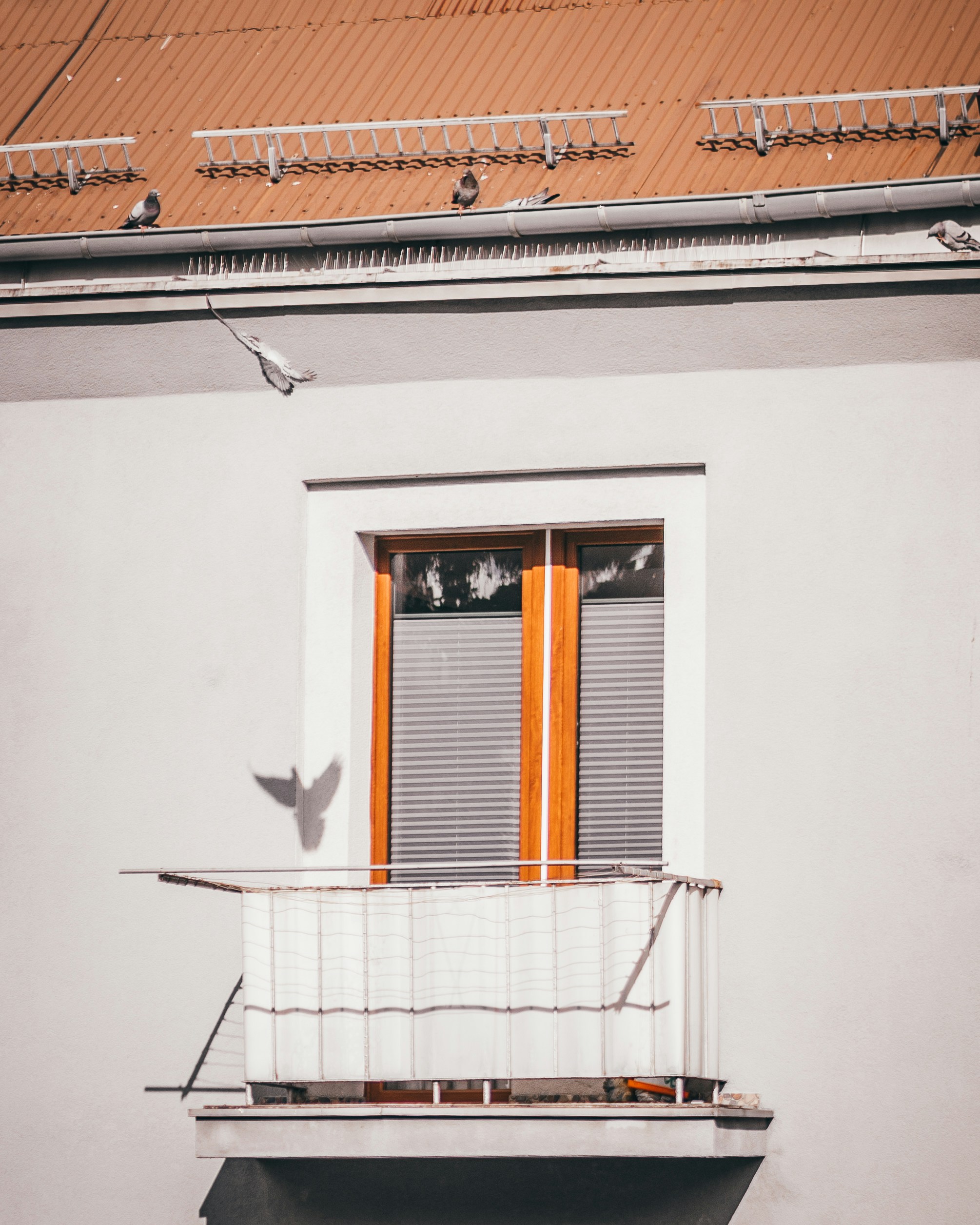
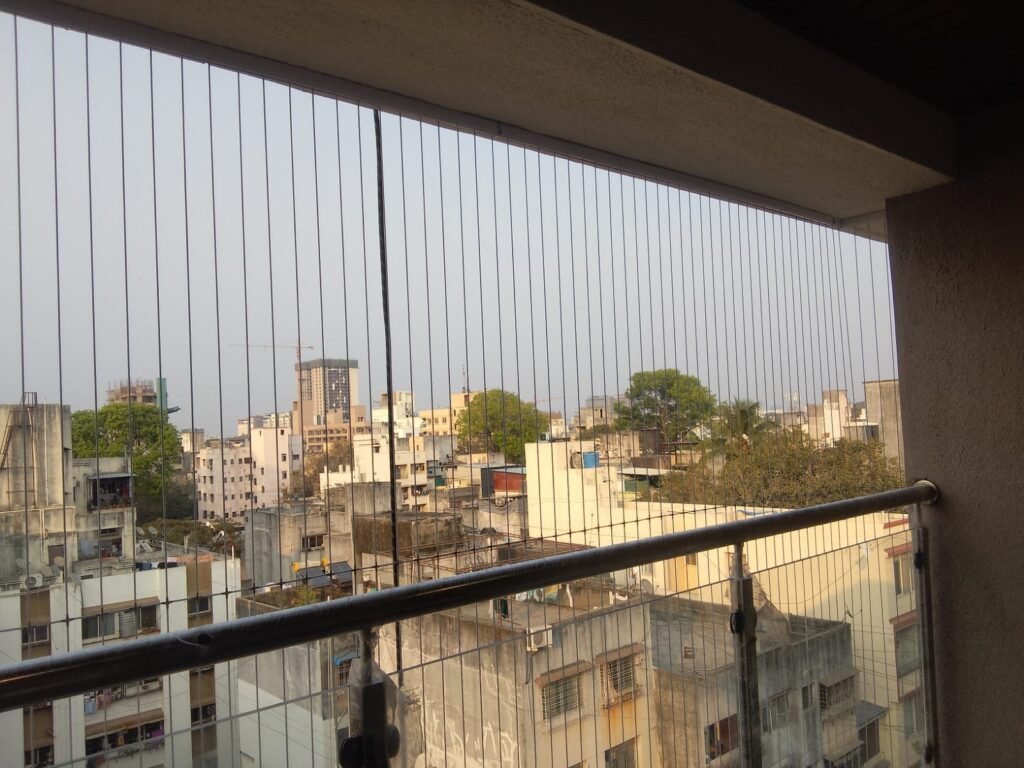
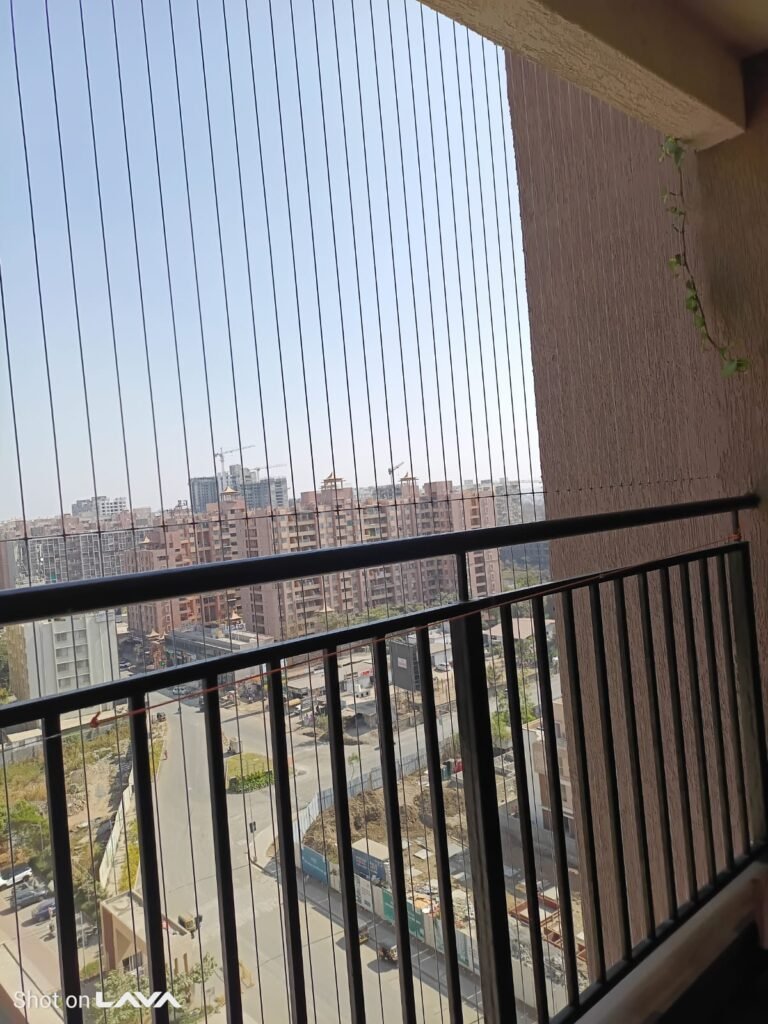
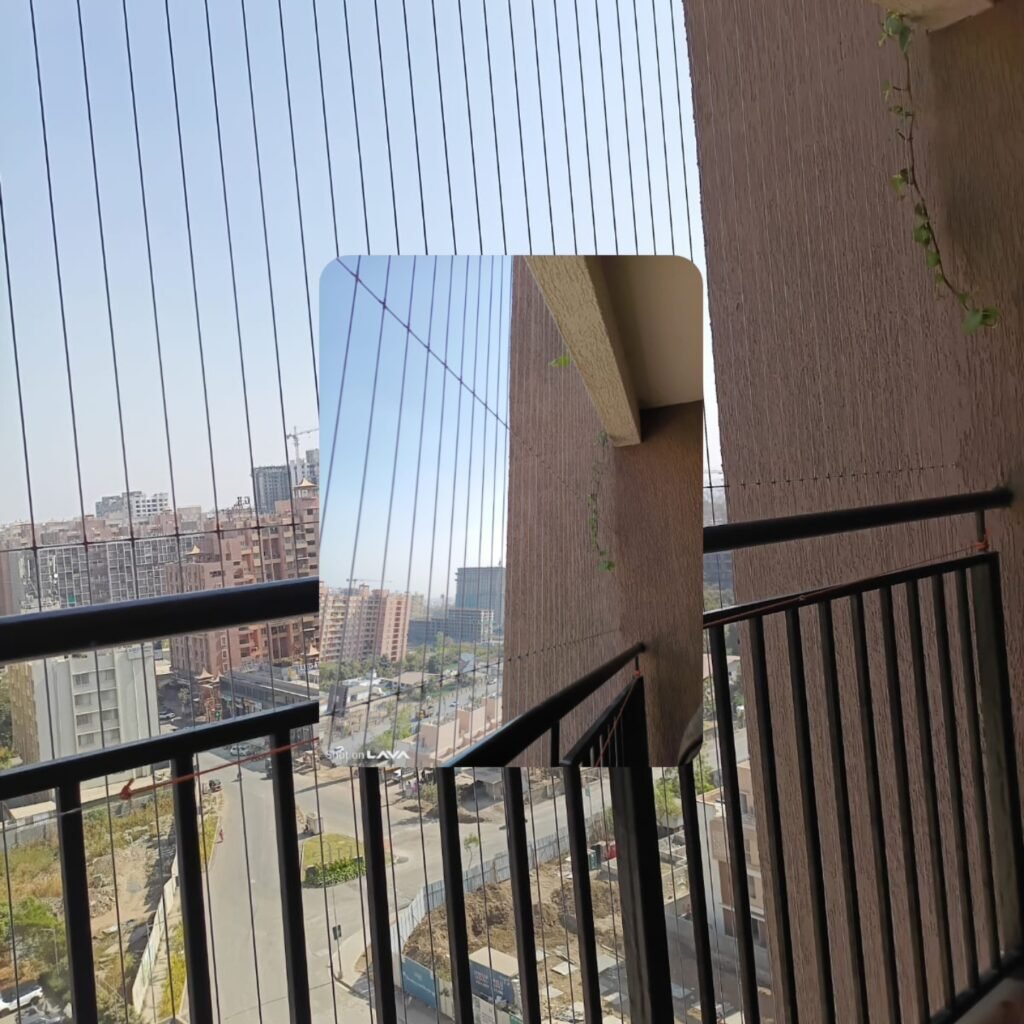
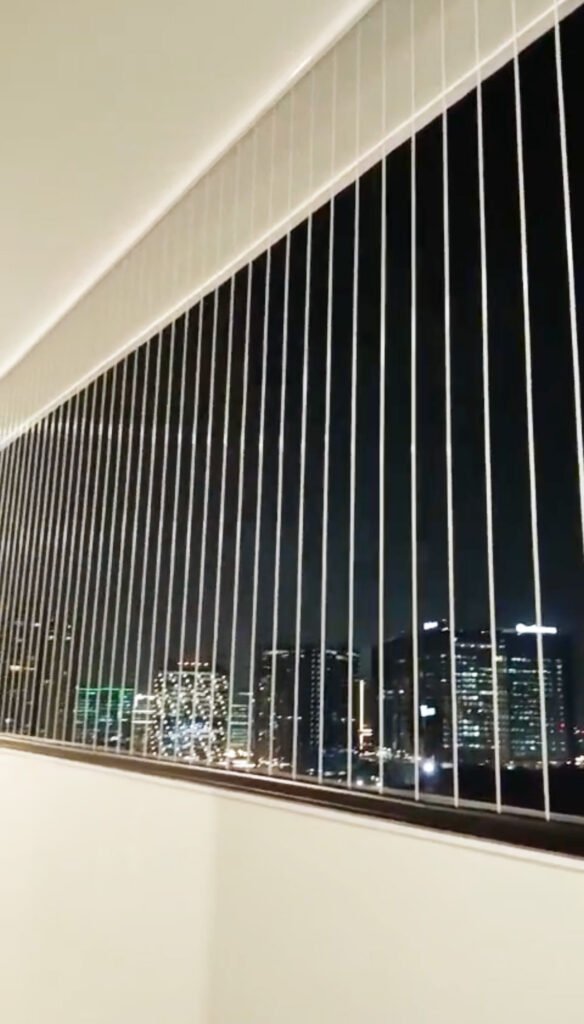
Pigeon netting is an effective solution designed to prevent pigeons from entering and roosting in specific areas. The primary function of pigeon netting is to create a barrier that keeps these birds away from undesirable locations, such as balconies, rooftops, and other structures. This method not only helps maintain cleanliness but also minimizes damage caused by pigeons, such as droppings and nesting materials.
The materials used for making pigeon netting are diverse, with common options including nylon and polyethylene. Nylon pigeon netting is renowned for its strength and durability. It can withstand harsh weather conditions, making it suitable for outdoor applications. The resilient nature of nylon ensures that the netting retains its form over time, providing long-lasting protection against pigeons.
On the other hand, polyethylene pigeon netting is generally lighter than nylon and may be a more cost-effective option. It is resistant to UV rays and does not degrade under sun exposure. However, while polyethylene can offer decent strength, it may be less durable than nylon in more extreme environments. When choosing the suitable material for pigeon netting installation, it is crucial to weigh these benefits and drawbacks according to the specific requirements of the installation area.
In addition to material considerations, various types of pigeon netting are available on the market, each designed to cater to different features or installations. Some nets come with specific mesh sizes, which can deter varying bird species, while others may include added features like reinforced edges or special coatings for enhanced performance. Ultimately, understanding the characteristics of pigeon netting is essential in selecting the most appropriate type for effectively managing pigeon populations in specific urban areas like Pune.
Importance of Pigeon Control in Urban Areas
Pigeon populations in urban environments, such as Pune, have become a significant concern for municipalities and local residents alike. These birds are often viewed as a nuisance, and their presence can lead to several adverse effects on both public health and property. Understanding the importance of controlling pigeon populations can help foster a healthier and more livable urban landscape.
One of the primary issues presented by pigeons is their contribution to health risks. Pigeons are known to carry various pathogens and parasites, which can be transmitted to humans. Diseases such as histoplasmosis, cryptococcosis, and psittacosis can arise from contact with pigeon droppings, which makes it essential to implement effective control measures. These health hazards are particularly concerning in densely populated areas, where individuals may come into frequent contact with contaminated surfaces.
Additionally, the accumulation of pigeon droppings can cause significant property damage. The acidic nature of pigeon excrement can erode building materials, leading to costly repairs and maintenance. Historic buildings and landmarks in Pune, which attract tourists, are particularly vulnerable to this damage. By controlling the pigeon population, property owners can mitigate these risks and preserve the integrity of their assets.
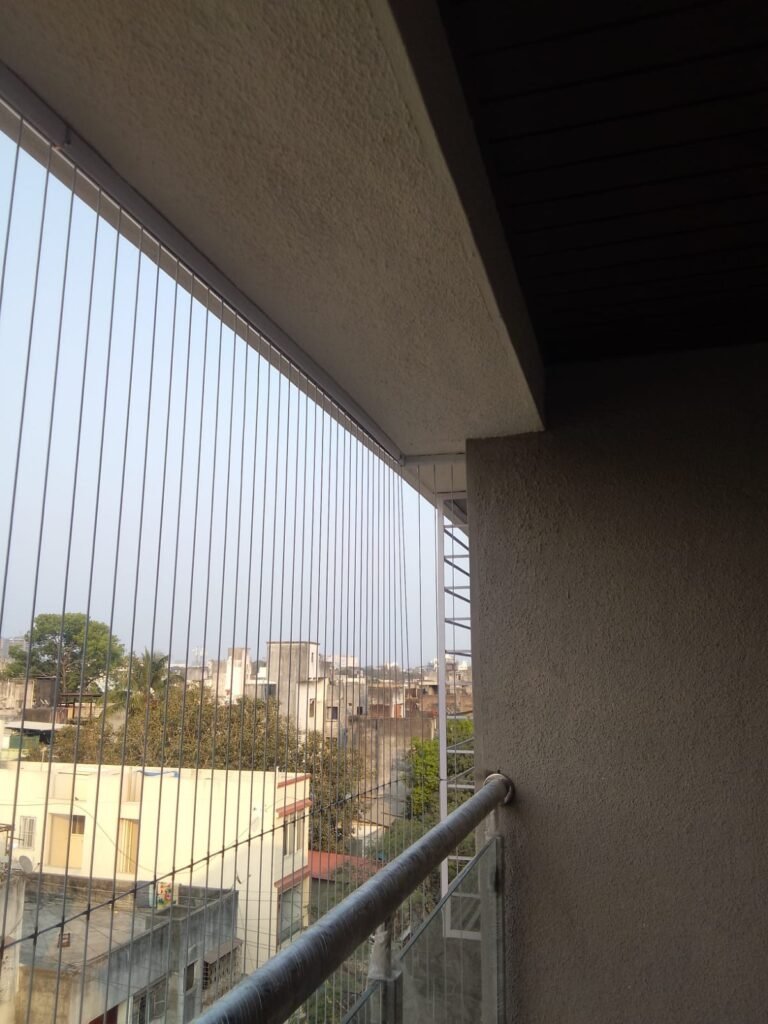
Furthermore, pigeons can create a general nuisance, leading to complaints from residents and disrupting the daily life of those living in urban settings. Excessive cooing, nesting, and fouling can diminish the quality of life, especially in areas with open spaces or residential properties. By addressing pigeon control through methods like pigeon netting, local authorities can enhance the urban environment, making it more appealing for residents and visitors alike.
In conclusion, proactive pigeon control in urban areas like Pune is essential to address health risks, mitigate property damage, and reduce general nuisance factors associated with growing pigeon populations. Ensuring a balanced coexistence between humans and wildlife is critical for the long-term sustainability of urban living.
Signs You Need Pigeon Netting
Pigeons are often viewed as benign urban dwellers; however, they can pose significant issues for property owners. Identifying the signs that indicate the need for pigeon netting is crucial in preventing damage and maintaining hygiene. Understanding these signs can help you decide whether the installation of pigeon netting is necessary.
One of the most prominent indicators of pigeon infestation is the presence of droppings. Pigeon droppings can accumulate quickly and pose health risks, as they may carry diseases. Finding droppings near entrances, windows, or on balconies should alert you to the possibility of a pigeon problem. Moreover, these droppings can damage surfaces and lead to costly maintenance if left unattended.
Another sign to be vigilant about is nesting materials. If you notice twigs, feathers, or other debris collected in nooks or ledges around your property, it may indicate that pigeons are attempting to nest. Pigeons are known to thrive in urban environments where suitable nesting sites abound, especially near human activity. Therefore, checking eaves, balconies, and other sheltered areas can help determine if your property is a nesting target.
Additionally, physical damage to buildings can be an indicator that pigeons have taken up residence. Look for rusting metal, stained walls, or deteriorating structures, as this damage can stem from prolonged exposure to pigeon droppings and nesting materials. Furthermore, pigeon nests can obstruct drainage systems and lead to additional structural issues if left unchecked.
Considering these signs will help you assess the risk pigeons pose to your property. If you observe multiple indicators, it’s advisable to consider pigeon netting installation in areas where these signs are prevalent. Implementing netting can provide a proactive solution to mitigate both property damage and health risks associated with pigeons.
Planning Your Pigeon Netting Installation
Preparing for pigeon netting installation is an essential step to ensure a successful and effective outcome. The first phase involves accurately measuring the area where the netting will be installed. It is crucial to assess the dimensions of the space, including heights, widths, and any architectural features that may impact the installation process. Take your time during this step to minimize errors, as precise measurements will influence not only the amount of netting required but also its effectiveness in preventing pigeons from accessing the space.
Next, selecting the appropriate type of pigeon netting is vital. The market offers various options including polyethylene, nylon, and stainless steel, each with distinct features and durability factors. Assess the needs of your specific situation; for instance, polyethylene netting is lighter and easier to install, making it suitable for residential areas, while stainless steel may be more appropriate for commercial buildings owing to its robustness. Be mindful of the mesh size as well, as this determines what sized birds can be excluded from the area.
In addition to the physical preparations, it is essential to familiarize yourself with any necessary permits or regulations specific to Pune. Local government may require guidelines for the installation of pigeon netting, particularly in terms of wildlife protection laws or structural modifications. Researching these regulations in advance can help avoid potential fines or compliance issues down the line. It is advisable to contact local authorities or consult with professional pigeon netting service providers who are already knowledgeable about these requirements.
By effectively planning your pigeon netting installation, you can ensure that it meets both your aesthetic and functional needs while adhering to regulations and safety standards.
DIY vs. Professional Installation
When deciding between DIY pigeon netting installation and hiring a professional, several factors must be considered. Each approach has its pros and cons, impacting not only the effectiveness of the netting but also the overall costs and time involved.
Undertaking a DIY project can be appealing due to the potential cost savings. Homeowners are often motivated by the desire to minimize expenses associated with professional services. Additionally, a DIY approach allows for greater control over the installation process, enabling individuals to select materials and methods that they prefer. However, this route requires a certain level of skill and knowledge about netting installation. If one lacks the necessary expertise, the likelihood of an ineffective setup increases, potentially resulting in further costs if the nets fail to deter pigeons.
On the other hand, hiring a professional brings a wealth of experience and knowledge. Professionals are equipped to install pigeon netting effectively, ensuring that all precautionary measures are taken to prevent pest intrusions. This can save time and also afford peace of mind, knowing that the installation meets industry standards. However, professional services can be significantly more expensive, potentially deterring those on a tight budget.
Furthermore, the time investment in either option should be considered. DIY installations may require multiple days to ensure proper setup and adjustments. In contrast, professionals often complete installations swiftly and efficiently, allowing homeowners to return to their daily lives without extended disruptions. Ultimately, the decision between DIY and professional installation hinges on personal skill level, financial considerations, and the urgency of effective pigeon control. Evaluating these elements thoroughly will aid in making an informed choice that aligns with one’s needs and capabilities.
Step-by-Step Installation Guide
Installing pigeon netting requires careful planning and execution to ensure its effectiveness and aesthetic integration. The process can be broadly divided into several steps that will guide you through the installation.
1. Gather Materials: Before you start the installation, gather all necessary materials. You will need pigeon netting, suitable fasteners, a supporting framework (which could involve poles or frames made from aluminum or fiberglass), a measuring tape, scissors, and a ladder. It is essential to choose high-quality netting that is durable and resistant to weather elements.
2. Measure and Prepare the Area: Measure the area where you intend to install the pigeon netting. Take note of any irregularities or obstacles that might affect the installation. It is also important to inspect the selected space for existing nests and remove them before installing the netting, as this will ensure no birds are trapped during the process.
3. Setting Up the Framework: Once you have your measurements, begin constructing the supporting framework. Make sure that it is sturdy enough to support the netting and withstand environmental elements such as wind. You may need to create a custom structure depending on the area’s dimensions.
4. Attach the Netting: After the framework is in place, carefully unfold the pigeon netting. Secure the netting to the framework using the appropriate fasteners. It is crucial to ensure that the netting is tight and free from any gaps where pigeons might get through. Utilize zip ties or specialized netting clips for a secure attachment.
5. Final Adjustments: Once the netting is attached, review the entire installation for any potential weaknesses or areas that may require additional support. Ensure that the installation appears neat and visually appealing, which is particularly important if the area is visible.
In this step-by-step installation guide, you have been provided an overview of how to effectively install pigeon netting. Following these steps diligently will help achieve a successful installation that not only keeps pigeons away but also enhances the overall look of the space.
Maintenance Tips for Longevity
Maintaining pigeon netting is vital to ensure its longevity and effectiveness in deterring unwanted birds. Regular inspections are key to identifying any potential issues before they escalate. It is recommended to conduct these inspections at least once every few months, particularly before and after the monsoon season, as moisture can lead to deterioration. During these inspections, look for any signs of tears, fraying, or sagging that could allow pigeons to gain access to the area.
Another essential aspect of maintenance is cleaning the netting. Dust, debris, and organic materials can accumulate on the surface of the net, potentially leading to mildew or alterations in its structural integrity. Gently washing the netting with a mixture of mild soap and water using a soft brush can effectively remove contaminants without causing damage. Ensure that the netting is thoroughly dried after cleaning to prevent any moisture-related issues.
Fixing common issues with pigeon netting, such as small tears or loosened areas, can usually be accomplished without the need for professional help. For minor tears, a needle and thread can be used to sew the net back together. However, if the damage is extensive, replacing the affected section may be necessary. Reknotting loose areas can also restore tension, ensuring that the netting remains taut and effective in blocking pigeons.
It is also prudent to consider the environmental factors affecting the pigeon netting, such as UV exposure and high winds. Installing the netting in such a way that it is shielded from direct sunlight and heavy winds can significantly prolong its lifespan. In summary, regular maintenance efforts, including inspections, cleaning, and timely repairs, play a crucial role in maximizing the longevity and efficacy of pigeon netting.
Cost Analysis of Pigeon Netting Installation in Pune
The installation of pigeon netting serves as an effective deterrent against the often problematic presence of pigeons in urban areas such as Pune. However, one must consider the associated costs to ensure the project aligns with budgetary expectations. The overall cost of pigeon netting installation can vary significantly based on several factors, including material selection, the complexity of the installation site, and labor charges if professional installation services are employed.
Firstly, the cost of materials is a primary consideration. Generally, pigeon netting is available in various types, including nylon and polyethylene. Nylon netting tends to be more durable and effective against harsh weather conditions, making it a preferred option for long-term solutions. Prices for these nettings can range anywhere from ₹25 to ₹50 per square foot, depending on factors such as gauge thickness and UV resistance properties. Additionally, other essential materials, such as anchoring brackets and hardware, should also be factored into the total cost.
Secondly, if you opt for professional installation, labor costs will contribute to the overall expenditure. Skilled technicians usually charge between ₹15 and ₹30 per square foot for installation, which includes the necessary labor to securely fix the netting in place. Importantly, attempting a DIY installation can save costs but may lead to issues if not executed properly.
Lastly, ongoing maintenance must not be overlooked. While pigeon netting is generally low maintenance, occasional inspections and repairs may be necessary to ensure its integrity over time. Allocating a small budget for maintenance will help sustain the effectiveness of the netting long-term. Ultimately, a comprehensive analysis of these elements is essential for accurately budgeting your pigeon netting project in Pune.
Success Stories and Case Studies
Pigeon netting has emerged as an effective solution for various homeowners and businesses dealing with pigeon-related issues in Pune. The successful implementation of pigeon netting has not only enhanced the aesthetic appeal of properties but has also effectively resolved hygiene and health concerns associated with bird droppings.
One notable case involves a residential complex in Kalyan Nagar, where numerous residents faced severe nuisance due to a flock of pigeons nesting around balconies and open spaces. After professional pigeon netting installation, homeowners reported a significant reduction in the presence of birds. Testimonials from residents indicated that they experienced less noise, fewer droppings, and a markedly improved quality of life. The complex administration noted that the resilience and durability of the pigeon netting significantly extended the lifespan of balconies, requiring less frequent maintenance.
Similarly, a well-known restaurant in Camp had frequent issues with pigeons gathering around outdoor seating areas, affecting the dining experience and health standards. After the installation of specialized pigeon nets, the restaurant owners noticed an immediate decline in bird-related disturbances and complaints from the clientele. Enhanced cleanliness and comfort led to an increase in customer satisfaction and even higher footfall.
Another significant story comes from a large warehouse located on the outskirts of Pune, where nesting and droppings from pigeons were causing logistical concerns. The management decided to invest in pigeon netting to protect their property. Post-installation, they reported that not only were pigeon infestations reduced, but maintenance costs dropped considerably due to decreased cleaning requirements. These successful case studies illustrate the effectiveness of pigeon netting as a versatile and practical solution to common problems faced by both residential and commercial properties in Pune.